
Thermal pad prices vary significantly among suppliers even when they have the same properties. From material type and dimensions to thermal conductivity and customization, they will all affect the quotation you get from the thermal pad manufacturer.
In this guide, we will explore various factors affecting the process of thermal pads.
Typical Thermal Pad Price Ranges
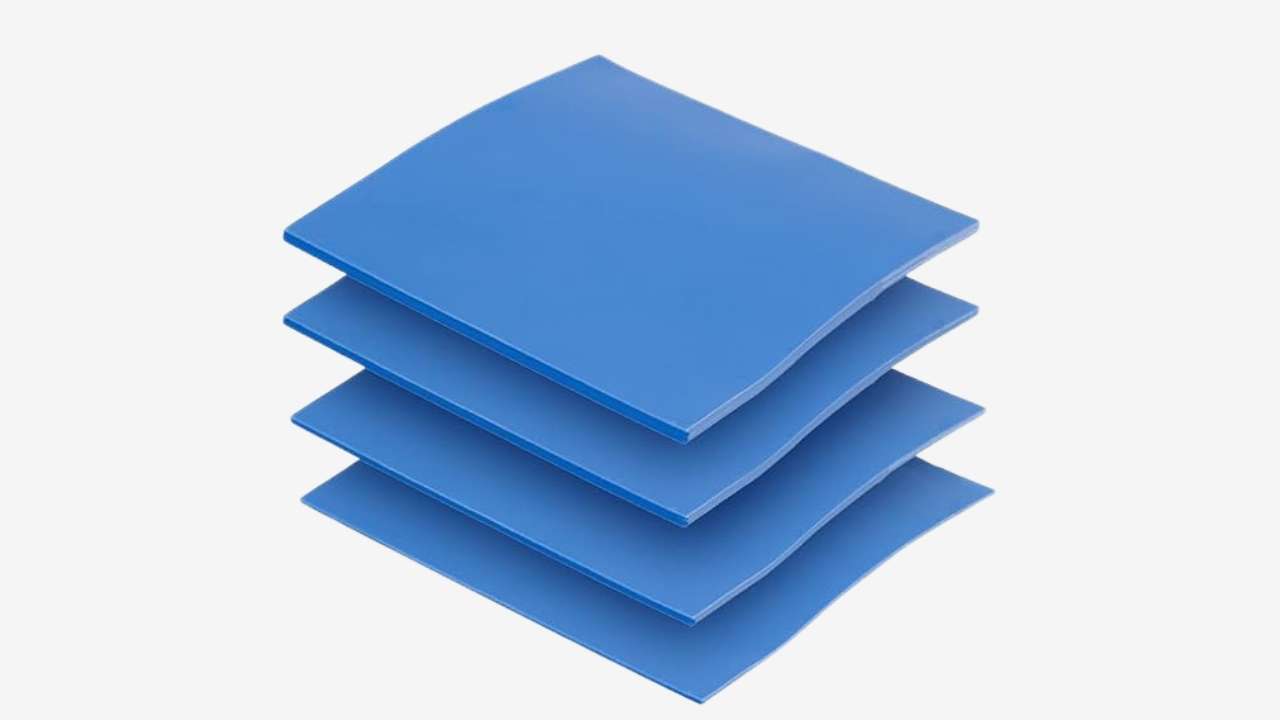
| Type of Thermal Pad | Price Range Per Piece |
| · Silicone Thermal Pads | $1-$20+ |
| · Ceramic-Filled Silicone Thermal Pads | $1-$60+ |
| · Graphite Thermal Pads | $10-$22+ |
Note: It is important to note that the above thermal pad prices ranges are only indicative. They may vary significantly according to material formulation, order quantity, supplier, thickness, dimensions, thermal conductivity and customization.
Factors Affecting Thermal Pad Prices

Manufacturers consider several technical and production factors when calculating thermal pad prices. Therefore, it is important for you to understand the key factors that will ultimately determine the prices of thermal pads.
Below, we look at these key factors and why they matter so much to thermal pad manufacturers and distributors.
· Material Composition
The key determinant of a thermal pad’s price is its base material and reinforcing formulations. Silicone thermal pads, for instance, are the most affordable, which is a testament to the easy availability of silicone, which translates into affordability.
Graphite thermal pads, in contrast, demand a relatively higher fee due to their complex structure and enhanced performance. The added formulations and reinforcements found in advanced industrial thermal pads generally translate into higher prices.
· Thickness
The price of thermal pads tends to increase as the thickness increases. Thicker silicone or graphite thermals generally cost more compared to their slimmer counterparts. This is primarily because thicker pads require more material to produce and consume relatively more labor.
However, when sourcing thermal pads for wholesale distribution, you should bear in mind that thickness does not translate into greater thermal conductivity. Your choice should be informed by the respective application and the need for heat transfer.
However, thickness can affect thermal resistance and interface gap filling. Therefore, you should select the thermal pad based on application gap and thermal performance rather than the price a lone.
· Thermal Conductivity
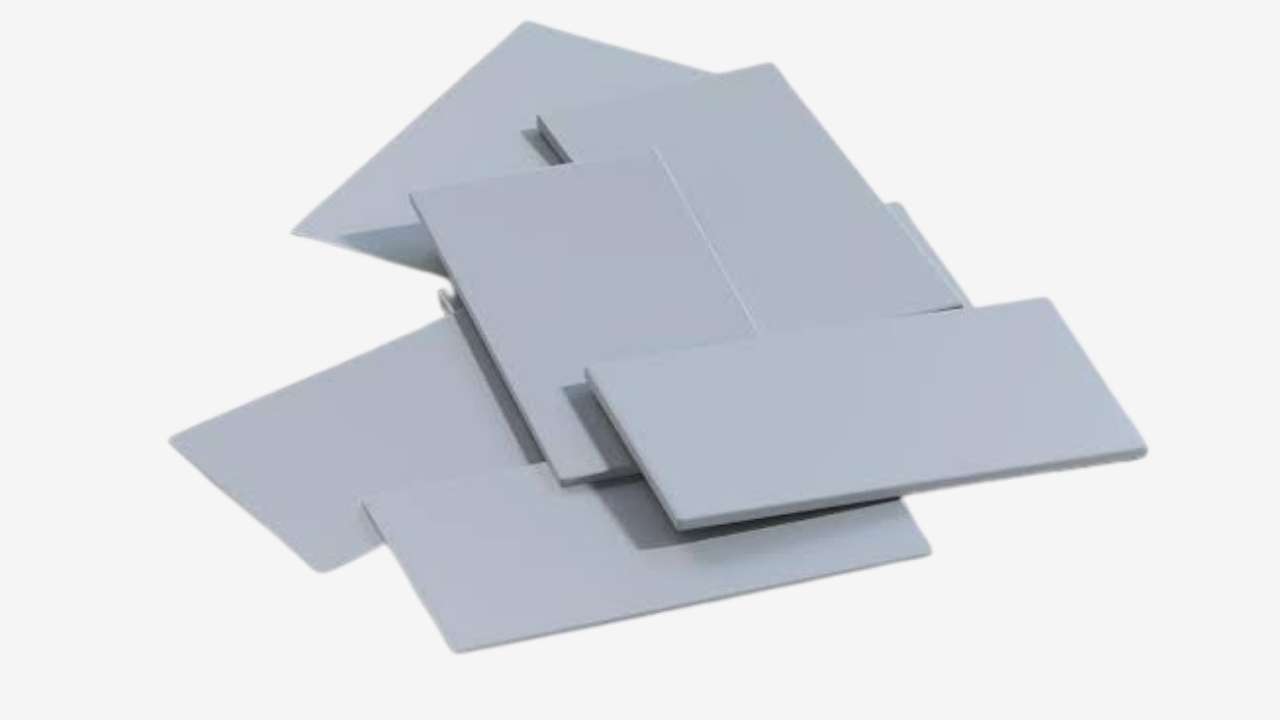
Thermal pads are generally classified and graded according to their thermal conductivity. Thermal pads with a relatively higher conductivity tend to command a higher fee, but they are worth the extra cost given that they promise optimal performance.
For instance, graphite thermal pads with a thermal conductivity of 10 W/m·K or higher are priced higher compared to similar pads rated 6W/m·K or lower. This is a reflection of the advanced formulations integrated in high-conductivity thermal pads and the extra manufacturing costs incurred.
· Compressibility
Thermal pads are designed to fit into irregular spaces, meaning that they must demonstrate a high degree of compressibility. Manufacturing softer thermal pads with a relatively higher compressibility necessitates the integration of special formulations and materials, which do not come cheap. Furthermore, it involves the use of specialized manufacturing processes and technologies, further hiking their production cost.
· Size and Shape
Manufacturing large industrial thermal pads not only consumes relatively more material, but it also requires the use of advanced manufacturing technologies. This typically translates into higher price tags.
For instance, thermal pads measuring 100 by 100mm generally cost between $8 and $12. Smaller thermal pads, in contrast, command fees ranging from $0.05, which is a testament to the amount of material used to produce them.
· Mechanical Attributes
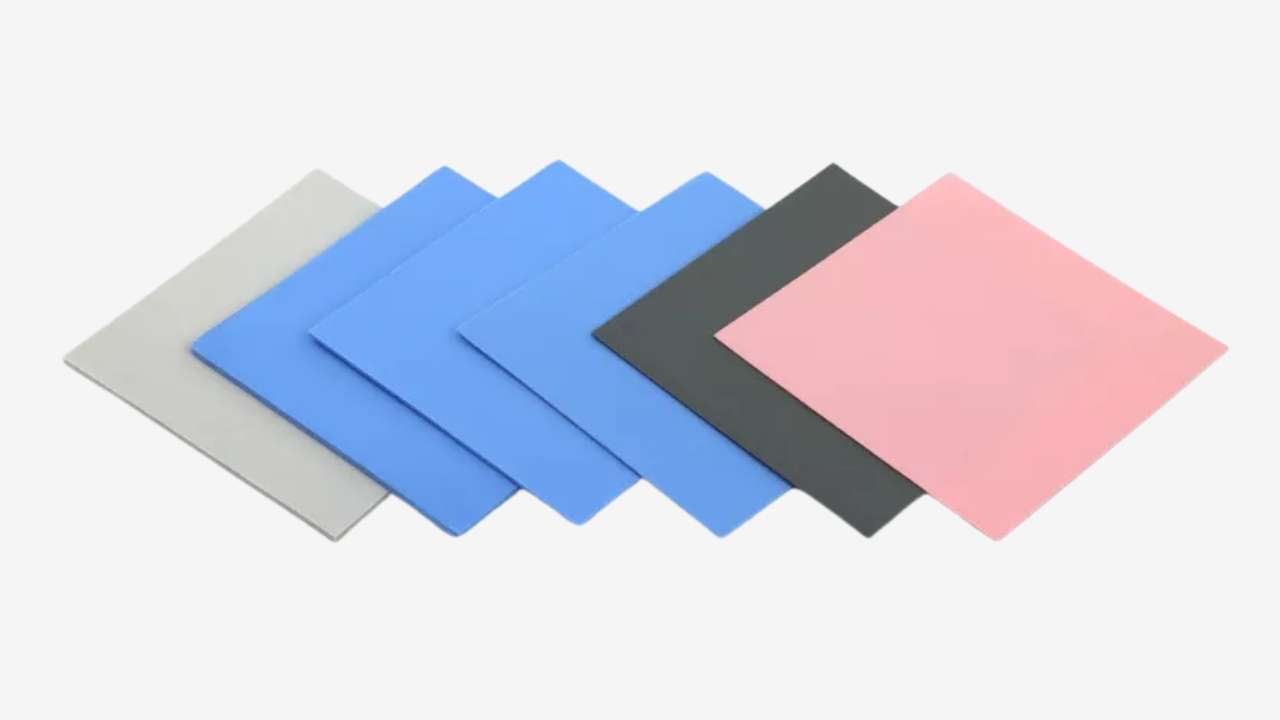
Thermal pads are designed to operate in high-temperature environments despite being soft and compressible. As such, they must demonstrate superior mechanical attributes to guarantee a longer service life. For instance, thermal pads tailored for industrial use, where they are likely to be subjected to rigorous vibrations, extreme heat, and moisture, are often reinforced with costly formulations, and this translates into comparatively higher price tags.
Thermal pads designed for less demanding applications such as laptop cooling, in contrast, only require the use of quality base materials such as silicone and graphite, explaining their relatively lower price tags.
· Customization
Whilst thermal pads are available in distinct standard versions, you can order customized thermal pads for more personalized results. For instance, you can instruct the manufacturer to provide specialized pads with customized dimensions or specialized surface treatment as per the demands of the specific application.
Customizing thermal pads requires additional manufacturing processes and specialized formulations, which generally drive their prices upwards. However, buying customized thermal pads in bulk can be relatively cheaper given that large-scale manufacturing promises lower manufacturing costs.
· Temperature Resistance
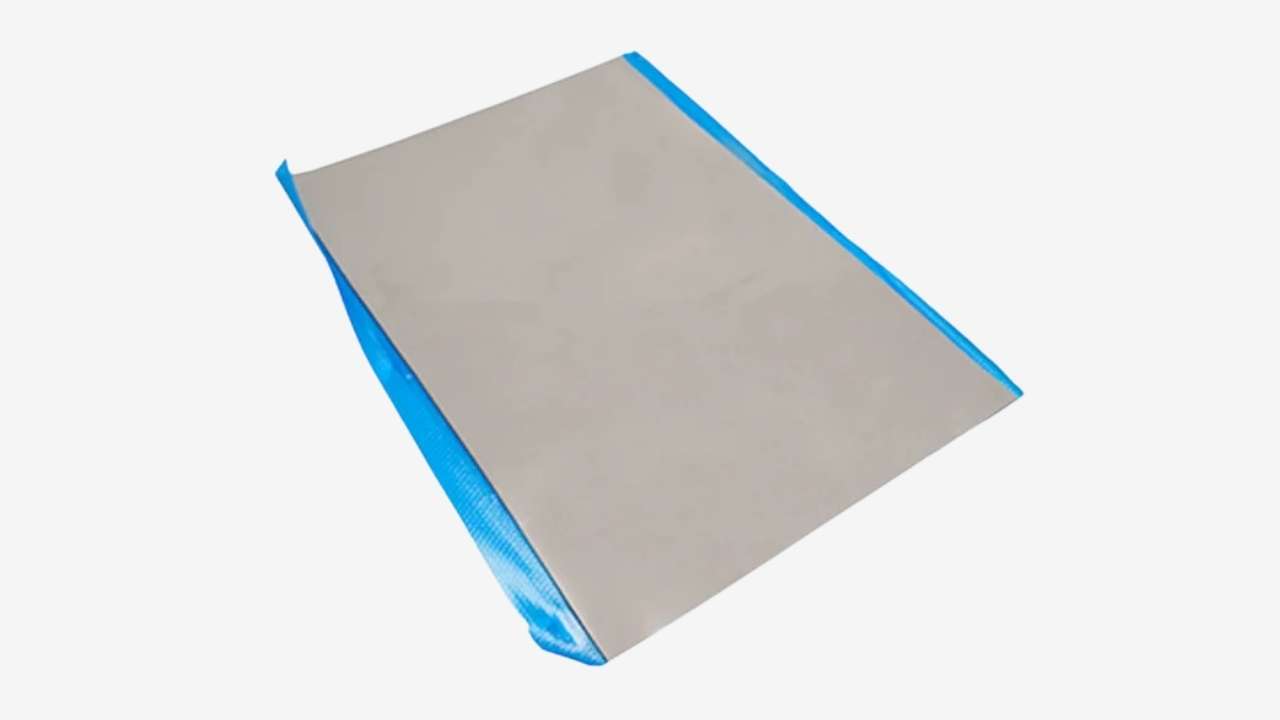
Thermal pads, particularly thermal pads designed for demanding applications such as industrial machinery cooling, must demonstrate extreme temperature tolerance. As such, they require the use of complex base materials and reinforcements, which generally do not come cheap.
For instance, silicone thermal pads meant for high-heat environments, where they are exposed to temperatures ranging from 150°C to 300°C+, are generally reinforced with carbon fibers or fluorosilicone, which inadvertently drives their price tag higher.
· Order Volume
Whilst the construction material, physical attributes, and performance levels of thermal pads primarily determine the cost of thermal pads, the number of units ordered also impacts their price significantly. Larger orders typically attract a discount, and this is made possible by reduced production costs that come with bulk production.
Sourcing limited units, in contrast, hardly comes with discounts, translating into higher prices per unit. For instance, most manufacturers offer discounts as high as 25% for orders exceeding 1000 thermal pads.
FAQs
What is the average price of thermal pads?
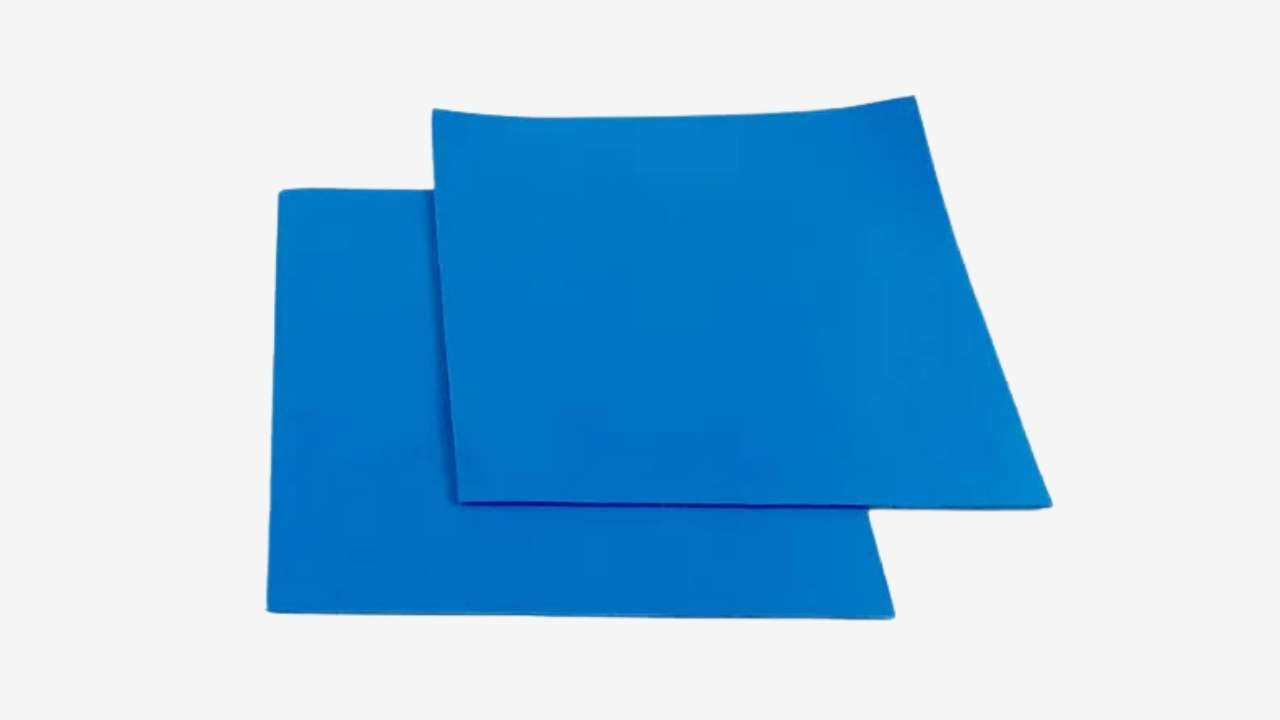
With a quick search on any search engine, you will notice that the price of thermal pads varies significantly depending on size, base material, and mechanical attributes, among other key parameters. Simple pads designed for simple heat dissipation, for instance, cost between $1 and $30. High-performance pads, in contrast, command prices ranging from $30 to over $150.
Do thicker thermal pads command a higher price?
Yes. Thermal pads with a relatively thicker structure typically command higher fees compared to slimmer thermal pads. This inflated price tag is a reflection of the extra material used and the advanced manufacturing resources needed to produce them.
Which is the cheapest thermal pad?
Whilst thermal pads are priced according to their construction and performance levels, silicone thermal pads are generally considered the most budget-friendly. Compared to graphite thermal pads and thermal pads laced with specialized formulations, they cost significantly less, making them some of the most common thermal cooling solutions.
Does bulk buying thermal pads come with a discount?
Yes. Purchasing thermal pads in bulk appeals to most importers and distributors mainly due to the eye-catching discounts offered by manufacturers. For instance, purchasing at least 1000 thermal pads may attract discounts as high as 25%.
Are thermal pads more expensive than thermal pastes?
Whilst thermal paste and thermal pads are considerably affordable, thermal paste costs slightly less than thermal pads. Thermal pads boast greater thickness and a prolonged service life, explaining their comparatively higher price tag.
Are expensive thermal pads always better than cheaper alternatives?
No. Whilst higher prices are often associated with greater quality, this is not always the case when it comes to thermal pads. The best pads are determined by their suitability for the application at hand rather than their price.
Final Thoughts
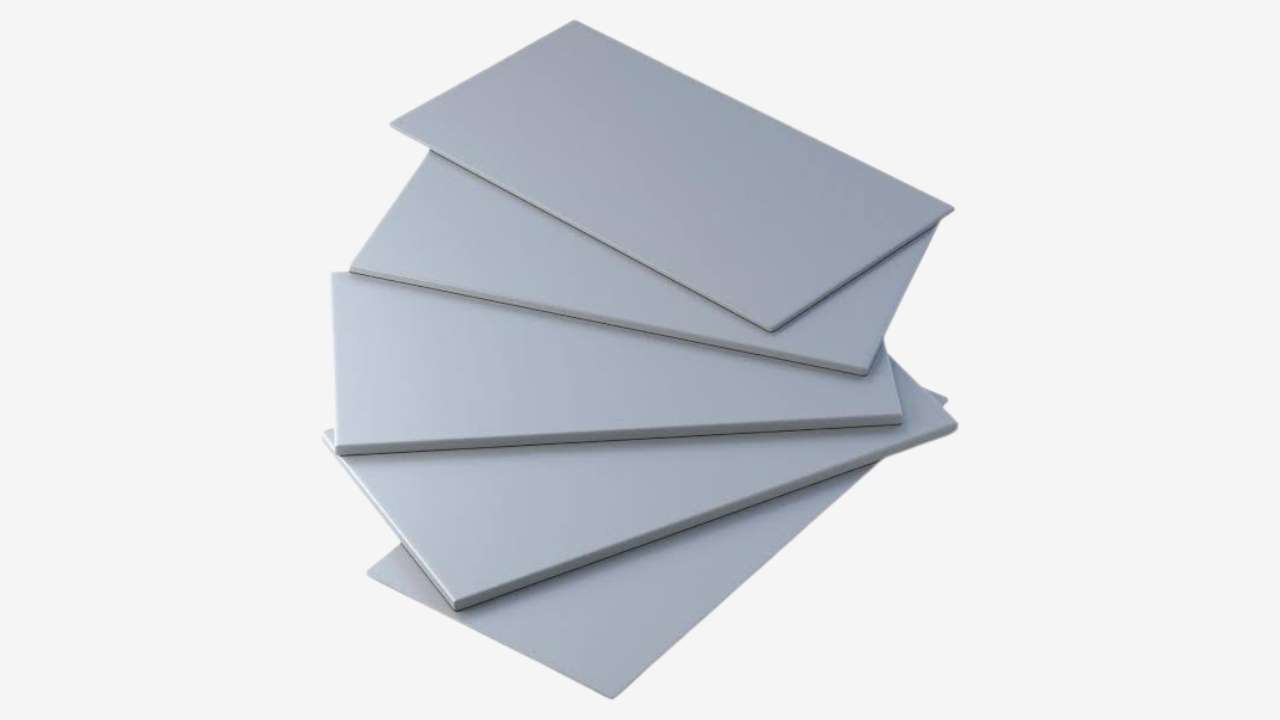
Whilst thermal pads are generally affordable, their prices are not fixed. They vary significantly depending on the factors and parameters discussed above. However, you must exercise great caution when purchasing thermal pads, especially in bulk, to guarantee optimal performance. You need to weigh the pads’ capabilities and thermal conductivity against the attached price tag to ensure you get the best deal possible.
If you are looking for a reliable OEM thermal pad manufacturer, Gallop is your trusted partner in China – Get a quote now.


