
One of the most difficult decisions to make is choosing the right thermal pads for electronics. It is for this reason that even the most reputable chip makers like NVIDIA, Broadcom, and TSMC are investing in high-quality thermal pads.
In this article, we will help you select suitable thermal pads that can offer optimal thermal management.
Thermal Pad Materials for Electronics: Quick Comparison
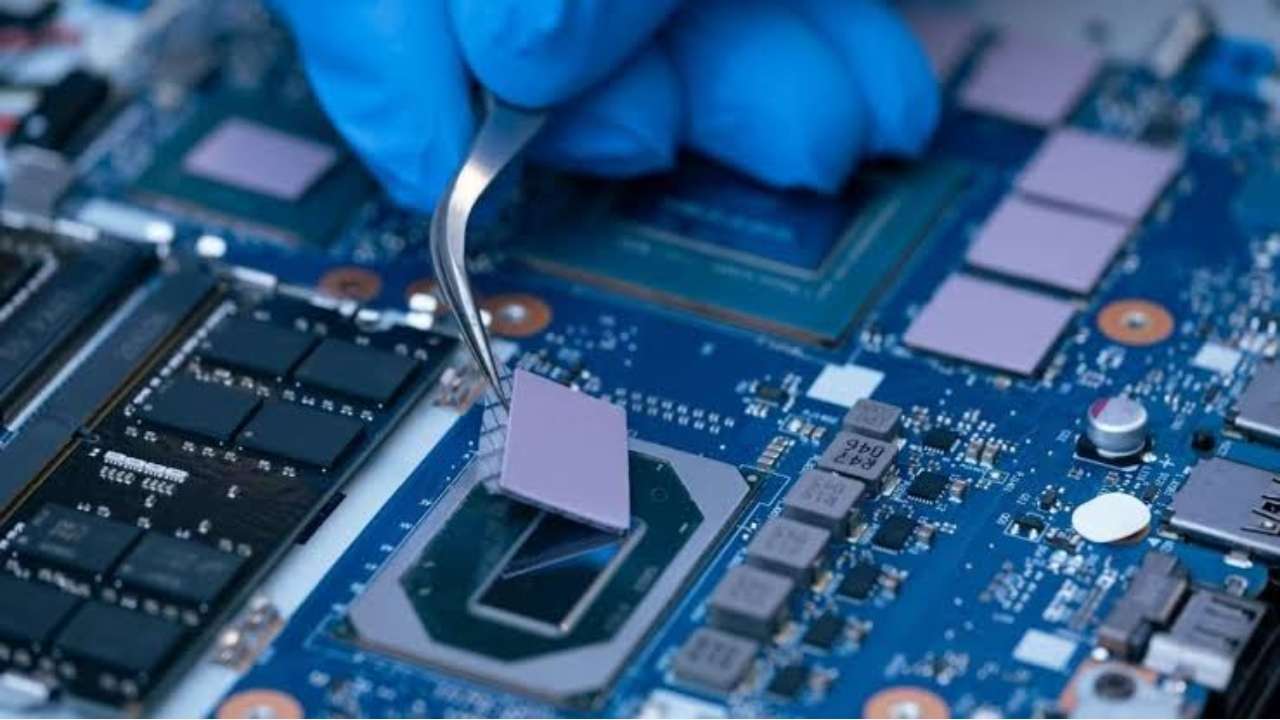
When it comes to choosing the right thermal pads for electronics, the discussion comes down to material, dimensions, insulation, flame-retardant properties, and compression. Let’s briefly look at some of the most common thermal interface materials.
| Thermal Pad Material | Remarks |
| Silicone-based Thermal Pads | · Good flexibility and conformability · Suitable for uneven electrical surfaces |
| Non-silicone Thermal Pads | · Best for low-silicone or silicone-free construction · That is, where silicone contamination is not desired |
| Fiberglass-reinforced Thermal Pads | · For higher mechanical strength · Best in applications where the thermal pad should resist tearing or handling damage |
| Graphite-based Thermal Interface Materials | · Designed for high thermal performance applications |
| Custom Formulated Thermal Pads | · These are application-specific thermal pads that are designed to match specific requirements. They are common in applications where the existing thermal pads do not match system specifications. |
Why Electronic Manufacturers Use Thermal Pads
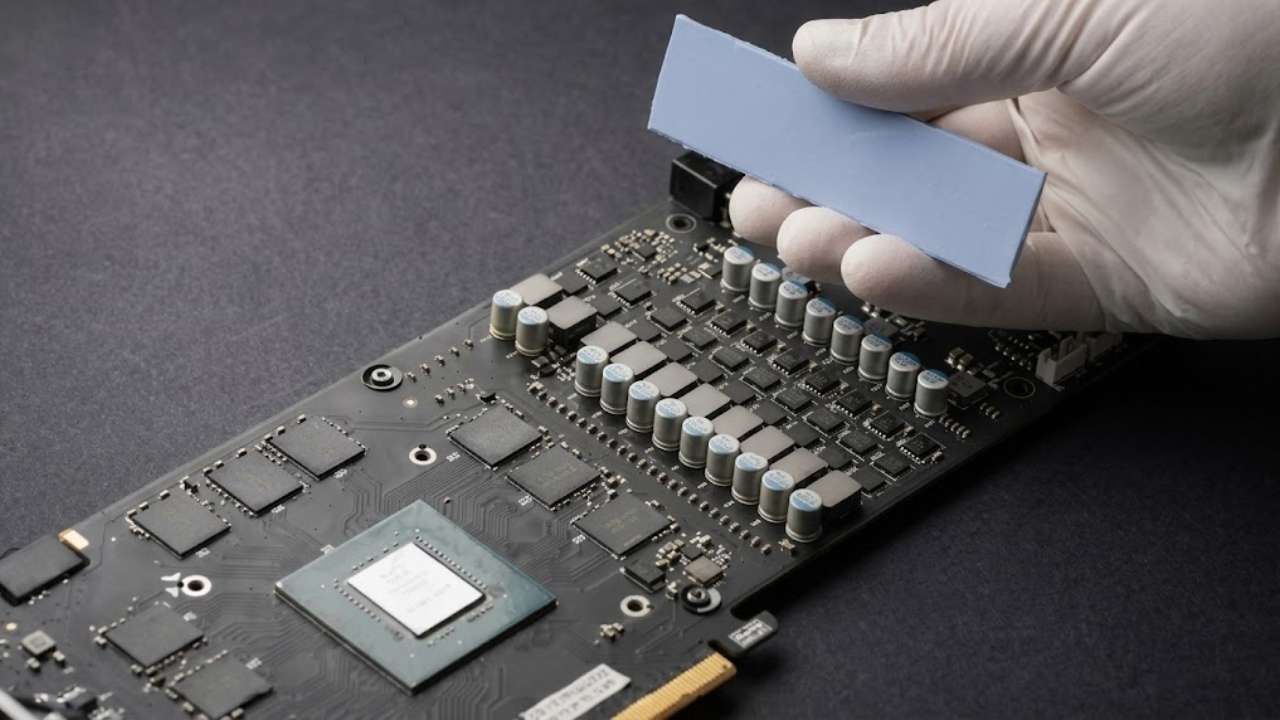
There are many reasons why electronics manufacturers must invest in high-quality thermal pads. Remember, this is not only about ensuring optimal thermal transfer, but also proper component assembly.
· Improve Thermal Management
Electronic components generate heat. That heat needs a reliable path into a heat sink, enclosure, cold plate, or other thermal management structure. Thermal pads fill the interface between those components.
Remember, the objective isn’t simply moving heat through the pad. It’s reducing the thermal resistance created by surface imperfections and maintaining consistent contact during operation.
· Fill Uneven Surface Gaps
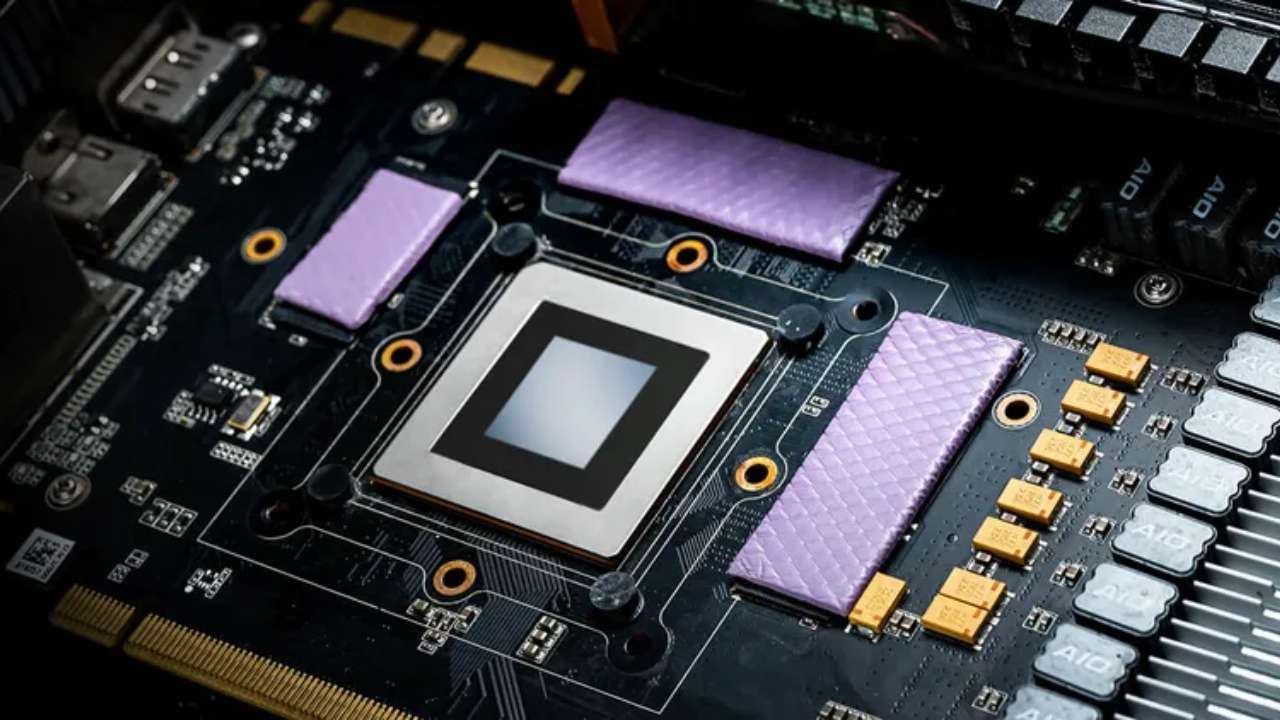
Machined and molded surfaces aren’t perfectly flat since microscopic gaps remain between mating surfaces. Air is a poor thermal conductor, so those gaps can become a significant part of the thermal path. A compliant thermal pad compensates for surface irregularities.
· Provide Electrical Insulation
Many electronic assemblies need thermal transfer without creating an electrical connection between the component and heat sink. An electrically insulating thermal pad can provide both functions. For equipment subject to electrical safety requirements, insulation should be treated as a specification rather than an assumption. Depending on the equipment and voltage environment, standards such as IEC 60664-1 and IEC 62368-1 may be relevant.
· Improve Long-Term Thermal Reliability
Initial thermal performance is only part of the job. The pad must continue performing after compression, heating, cooling, vibration, and repeated operating cycles.
Where to Use Thermal Pads in Electronics
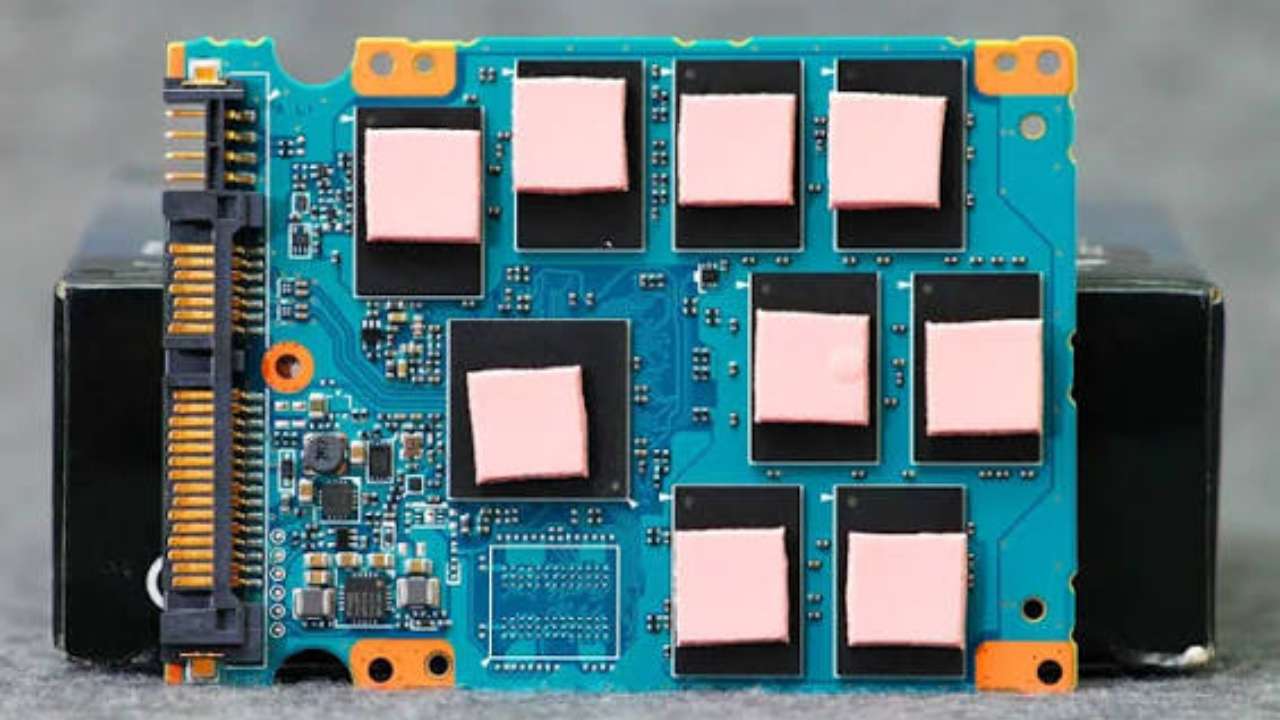
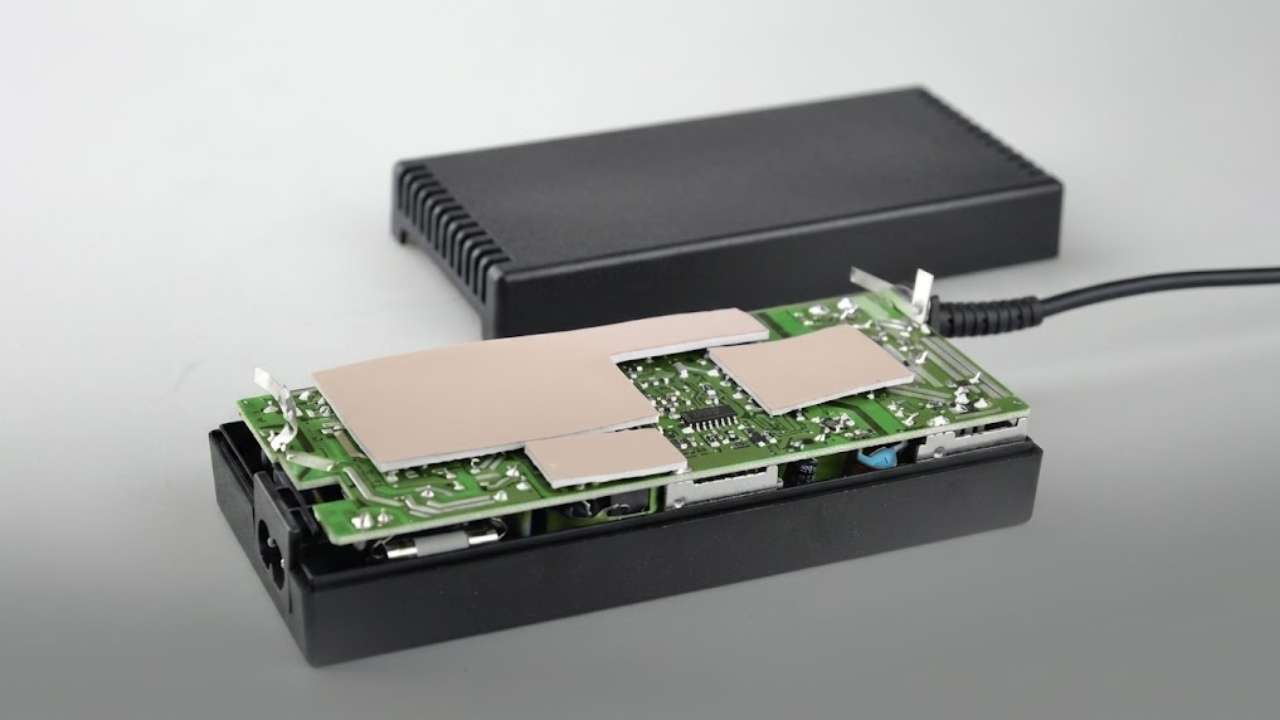
From power electronics such as inverters and power supplies to telecommunication equipment and consumer electronics, thermal pads play an integral role in modern electronics.
In fact, certain industries such as EVs and energy storage systems have immensely benefited from thermal pad technology. From battery-related electronics to power conversion hardware or control systems, they all use thermal pads for efficient thermal management.
In short, you can use thermal pads in any application that require control heat transfer, such as:
- High-speed storage drives
- GPU memory (VRAM)
- Motherboard VRMs
- LED lighting and power supplies.
How to Choose the Right Thermal Pad for Electronics
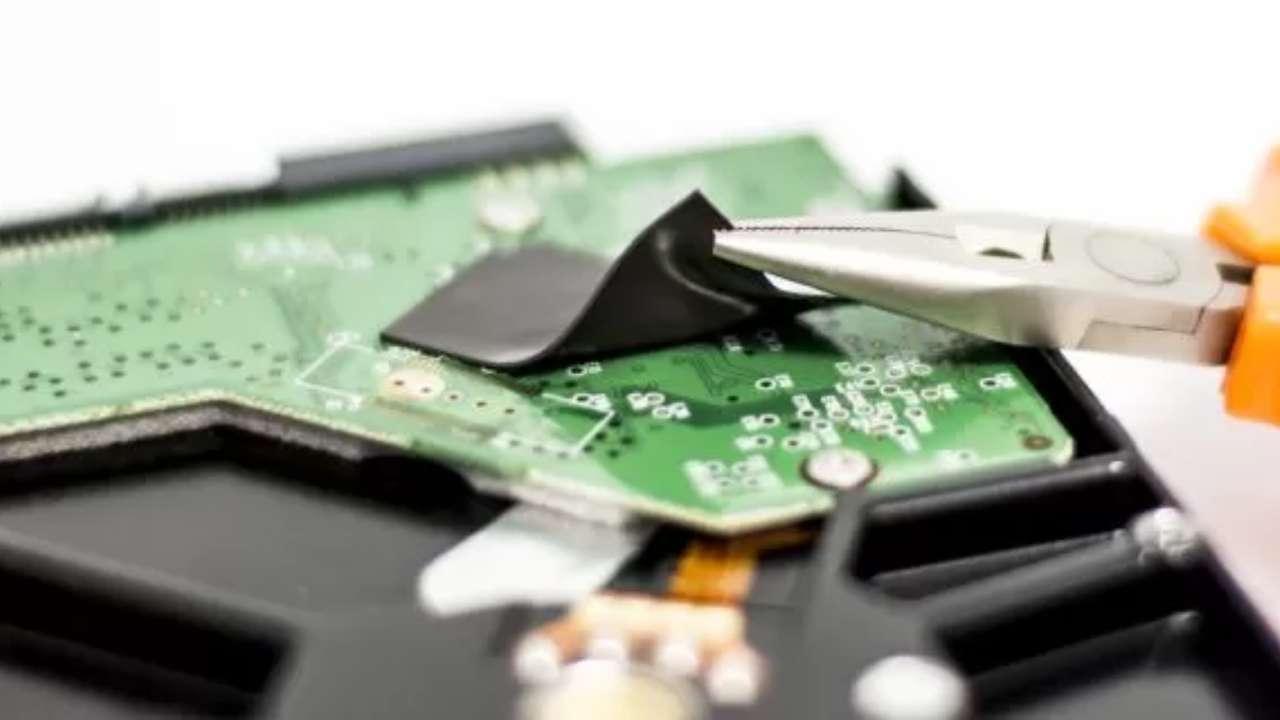
Choosing the right thermal pad for your electronic systems is non-negotiable. In fact, electronic systems without the right pads will not pass any quality control (QC) process.
· Determine Required Thermal Conductivity
Start with the thermal requirement. Don’t automatically specify the highest available conductivity. Higher conductivity can come with changes in hardness, thickness, cost, processability, or other physical properties.
· Measure the Required Gap Thickness
Measure the actual interface. Don’t design around an estimated gap if production tolerances can change it. The pad must accommodate the intended gap while maintaining appropriate contact pressure.
· Select the Appropriate Hardness
Hardness determines how readily the pad conforms under assembly pressure. A softer pad generally conforms more easily to uneven surfaces. A harder pad may provide greater mechanical stability.
· Check Compression Requirements
You need to know how much force the assembly can apply and how much compression the pad requires. Too little compression can leave thermal gaps. Too much can damage components, distort the pad, or create manufacturing problems.
· Consider Electrical Insulation
If the pad sits between an energized component and a conductive heat sink, dielectric performance becomes critical. Check dielectric strength, insulation requirements, thickness, and the applicable equipment standard.
· Define Operating Temperature Range
The thermal pad must remain functional across the actual operating temperature range. Consider both continuous temperature and temperature excursions, then consider thermal cycling.
· Evaluate Flame Retardancy and Safety Requirements
Flammability requirements depend on the finished equipment and its intended market. Where applicable, evaluate the thermal pad against requirements such as UL 94 and the relevant product safety standard.
· Consider Environmental Exposure
Depending on the application, the pad may encounter humidity, vibration, temperature cycling, contaminants, or long-term compression. Automotive, industrial, telecom, and energy-storage applications can be particularly demanding.
FAQs
Should you use thermal pads or thermal paste in electronics?
It will depend on the specific application requirements. We recommend you use thermal paste for very thin interfaces. However, thermal pads are perfect for applications where you want to achieve controlled thicknesses, while also achieving clean assembly and gap filling.
How do you test the quality of thermal pad material?
Through testing, you will establish whether a specific thermal pad material matches your unique application requirements. Therefore, you should determine thermal conductivity, thickness, compression behavior, and dielectric strength and thickness.
Which is the best thermal pad for electronics?
There is no one best thermal pads for a specific electronics. The correct thermal pads will depend on the thermal conductivity, gap thickness, electrical insulation, temperature range, flame-retardancy, environmental exposure, and hardness.
Are thermal pads electrically insulating?
The electrical insulation will depend on the specific material and specifications.
Do thicker thermal pads transfer heat better?
Not necessarily, since the thickness will depend on the size of the thermal gap.
Final Thoughts
Thermal pads are a critical component in any electrical assembly when it comes to thermal management. It not only fills the surface gaps, but also optimizes thermal transfer.
At Gallop, we help you choose the perfect thermal interface material that is custom-made according to your unique applications – Get a custom quote now.


