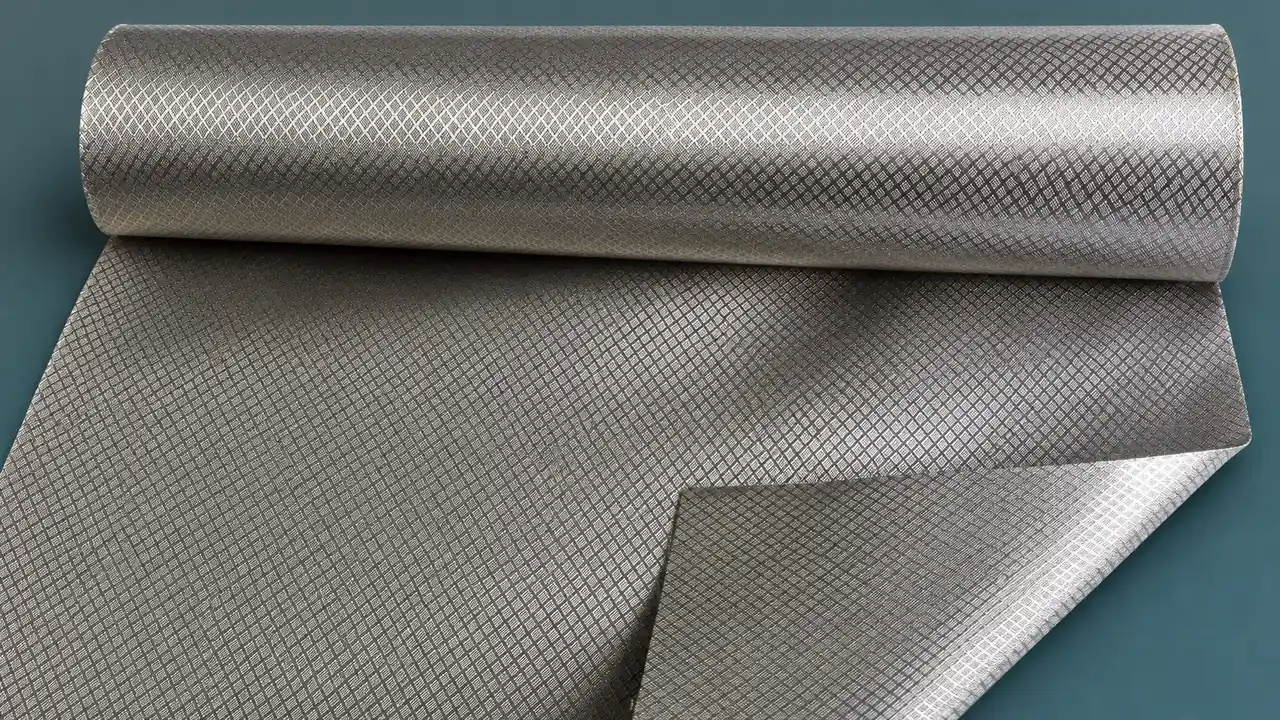
Industrial automation systems bring together robotic arms, sensors, wireless networks, and other equipment that constantly interact. With so many devices working together, electromagnetic interference (EMI) can take different forms. Crosstalk between devices may lead to data errors or machine failures, resulting in costly downtime. Knowing the different types of EMI shielding materials can help you choose the right option and reduce these risks.
What Is EMI Shielding Material?
You will encounter various types of electromagnetic interference during equipment operation; electromagnetic shielding materials are designed to block such interference. They prevent external electromagnetic waves from penetrating the equipment and also prevent signals generated by the equipment itself from leaking out, thereby ensuring the stable operation of the circuitry. They are commonly found in equipment casings, joints, PCBs and cable connectors.
Why Does Industrial Automation Need EMI Shielding?
Electromagnetic interference (EMI) shielding helps to protect smart manufacturing systems and minimise the impact of electromagnetic interference on equipment operation. Appropriate shielding materials can reflect or absorb some of the electromagnetic energy, thereby reducing the risk to interference-sensitive electronic components. For factories, this is not only crucial for ensuring that equipment can communicate properly, but also affects the stable operation of production lines, reducing unnecessary downtime and faults.
In smart manufacturing, EMI shielding is not merely about reducing occasional electromagnetic interference; it is also essential to prioritise the protection of those devices and components that have a significant impact on production operations.
Sensors: Sensors are responsible for collecting real-time data and providing feedback to the system. If signals are disrupted, the data collected may be inaccurate, which in turn affects subsequent control operations.
Controllers: Controllers adjust the operating status of equipment based on the data received. Should electromagnetic interference occur, problems may arise in the transmission or processing of commands, affecting the production process.
Communication systems: Wireless networks, industrial communication equipment and other data transmission links must remain stable to enable the normal exchange of information between different devices.
Selecting suitable EMI shielding materials for these critical components helps to reduce the risk of signal anomalies and equipment failures, enabling all parts of the automated system to work together more reliably and minimising production interruptions caused by interference.

Common EMI Shielding Materials for Industrial Automation
Conductive Rubber and Conductive Elastomers
Conductive rubber and conductive elastomers retain the inherent elasticity of rubber, allowing them to conform to gaps in equipment even when under pressure, whilst also providing electrical conductivity to block electromagnetic waves. If your equipment housing requires both EMI shielding and a certain degree of environmental sealing, conductive rubber is worth considering. These materials can be used in control cabinets, electronic enclosures and other applications where conductive contact is required at joints.
With these materials, attention must be paid to compression set; if the enclosure needs to remain closed for extended periods, the gasket may lose its resilience, which could subsequently affect the quality of the electrical contact.
Conductive Foam and Fabric-Over-Foam Gaskets
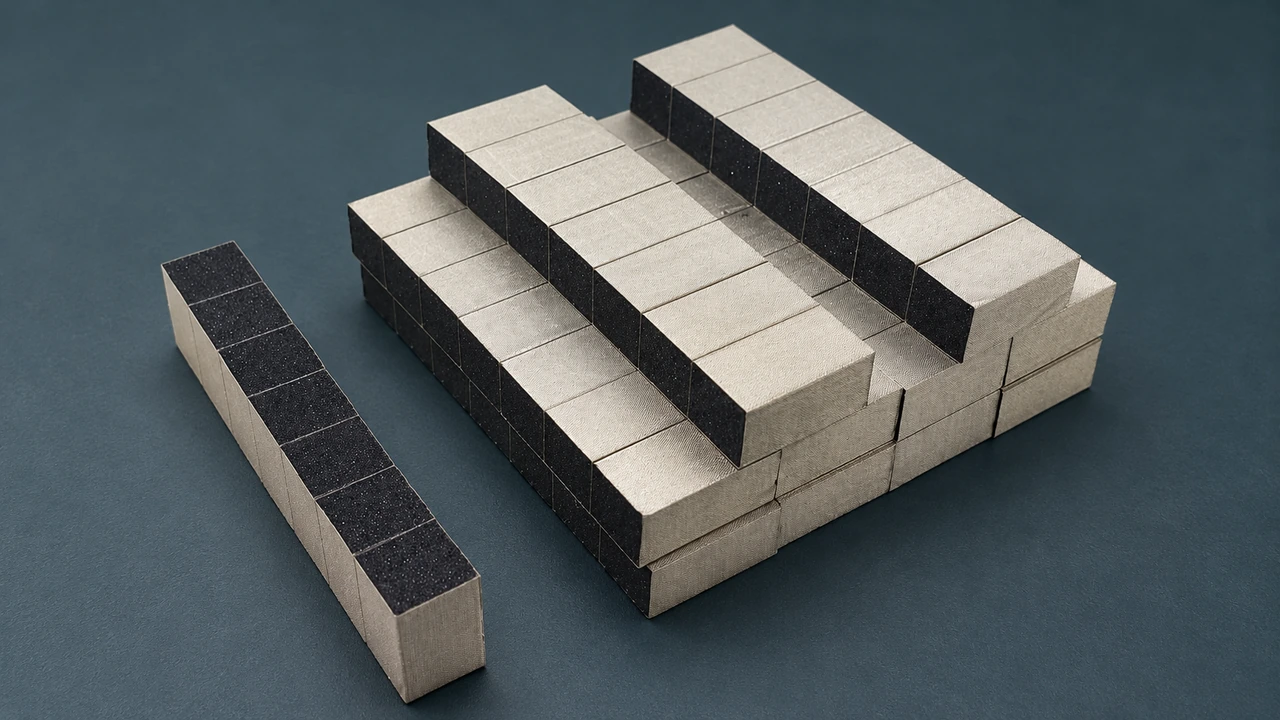
Both are foam-based. Conductive fabric-wrapped foam features an additional layer of conductive fabric over conductive foam, combining the softness of the foam with surface conductivity. These two types of material are commonly used in the construction of electronic devices where gaps need to be filled. As non-rigid shielding materials, they do not place significant stress on the enclosure structure. These products are soft and compressible, making them suitable for irregular gaps.
You can install them at the joints of controller housings, electronic enclosures and removable panels to help maintain electrical contact across the joints.
SMT EMI Gaskets and Board-Level Shields
Board-level shields are typically compact metal structures mounted directly onto PCBs to isolate interference between different modules on the board. SMT EMI gaskets, on the other hand, are shielding contact components suitable for surface-mount technology (SMT) and can be used on electronic components and connection points that meet their design requirements. Space is generally at a premium on the mainboards of automation controllers and I/O modules; board-level shielding enclosures and SMT EMI gaskets are highly space-efficient and therefore ideal for such applications.
If space on your PCB is limited, it is advisable to reserve mounting positions for shielding enclosures or gaskets during the design phase. Adding shielding structures after the circuit board design has been finalised may require a re-layout, thereby increasing development costs.
Conductive Tape and Copper Foil Tape
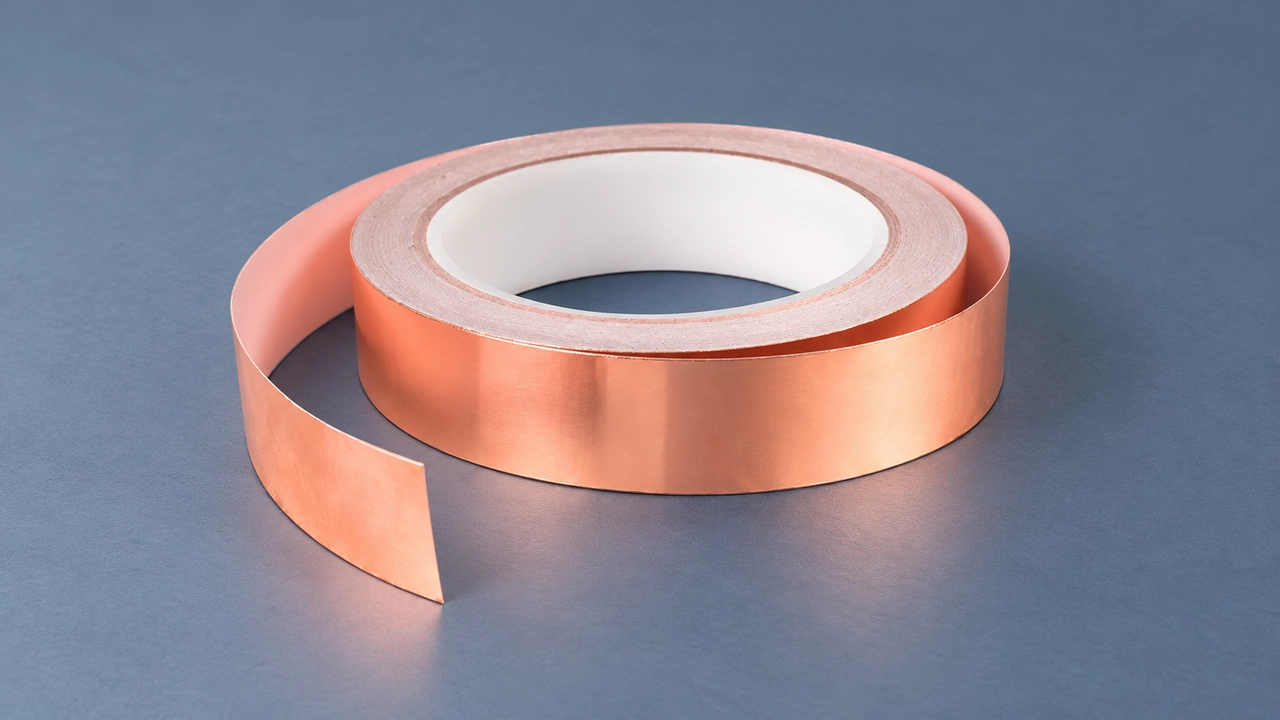
Conductive tape typically consists of a conductive substrate and an adhesive layer; it is simple and easy to use—simply peel off the backing to apply. Copper foil tape, on the other hand, uses copper foil as its primary substrate. These can be used for localised shielding, seam sealing and conductive connections.
They are best suited to shielding on flat, fixed surfaces. They should not be used in areas subject to frequent bending or friction, as the adhesive layer is prone to peeling and detaching once it has aged. If you need to treat localised seams on equipment casings or add a layer of shielding to electronic components, conductive tape may be a convenient option.
Conductive Rubber Tubing
Conductive rubber tubing is a flexible, conductive material with a tubular structure that is slipped directly over signal cables. Unlike ordinary rubber tubing, it forms a continuous shielding layer on the surface of the cable, suppressing noise radiated from the cable whilst also preventing external interference from travelling along the cable into the equipment. It can be used to shield individual signal cables or small cable harnesses.
Conductive Fabric
Conductive fabric is typically made from a base material such as polyester or nylon; it is lightweight and thin, and can be cut and bent as required. It is relatively soft, has no fixed shape and offers a high degree of flexibility; it is also commonly used as the outer layer to cover foam. However, we do not recommend using it in applications requiring a seal under sustained high pressure. Conductive fabric is more commonly used in situations where rigid compression is not required.
Fingerstock
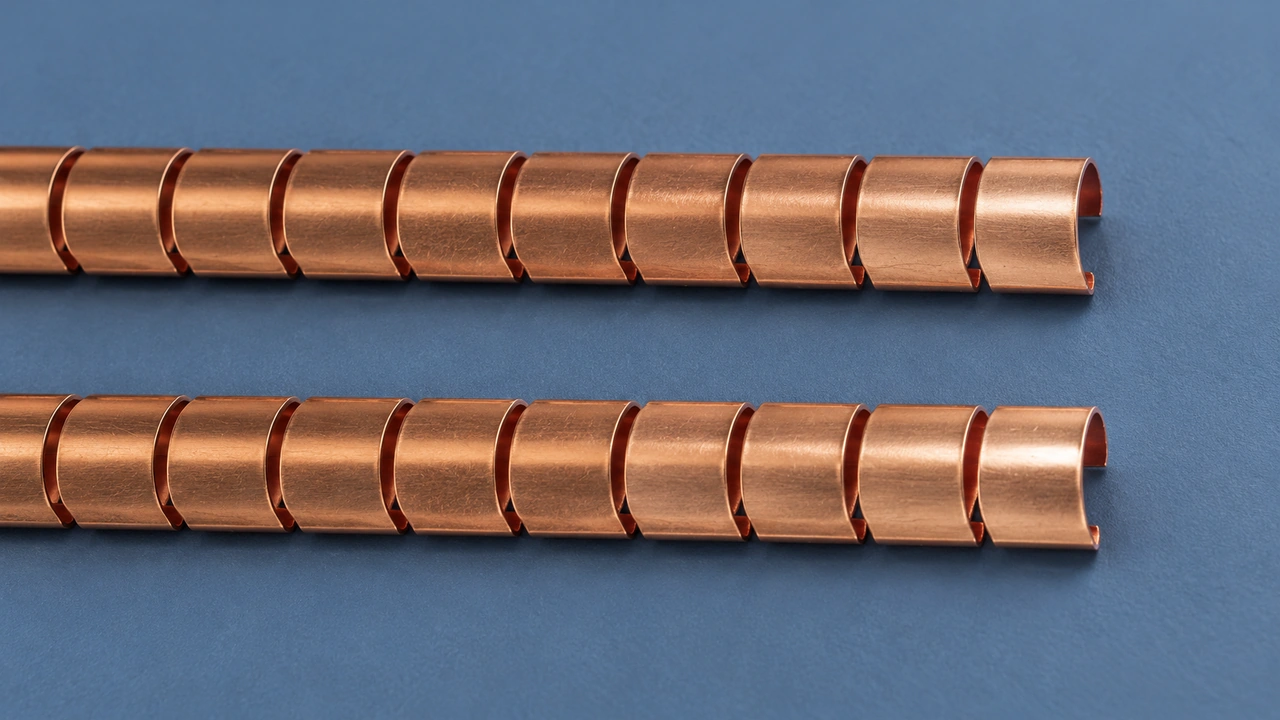
Fingerstock gaskets are metal shielding components, made from flexible metal strips that maintain electrical contact with the mating surface through elastic deformation. They offer strong spring retention, ensuring that shielding performance does not deteriorate rapidly even when the enclosure is repeatedly opened for maintenance.
If the enclosures of your control cabinets or test instruments need to be frequently opened and closed, this product is ideal. If your industrial equipment requires regular maintenance, metal spring strips can also serve as a suitable option for shielding joints.
Form-in-Place Gaskets
Form-in-place gaskets are made from a liquid material that is dispensed onto a predefined path on the housing using dispensing equipment; they form an EMI shielding material after curing at room temperature or under heat. For complex, irregular shapes and gaps where the cost of producing pre-formed gaskets via moulding is too high, dispensing-moulded shielding gaskets are an ideal solution. But you must provide a dispensing channel and control the width and height of the adhesive; any deviation in height after curing will affect the compression performance.
Microwave Absorbers
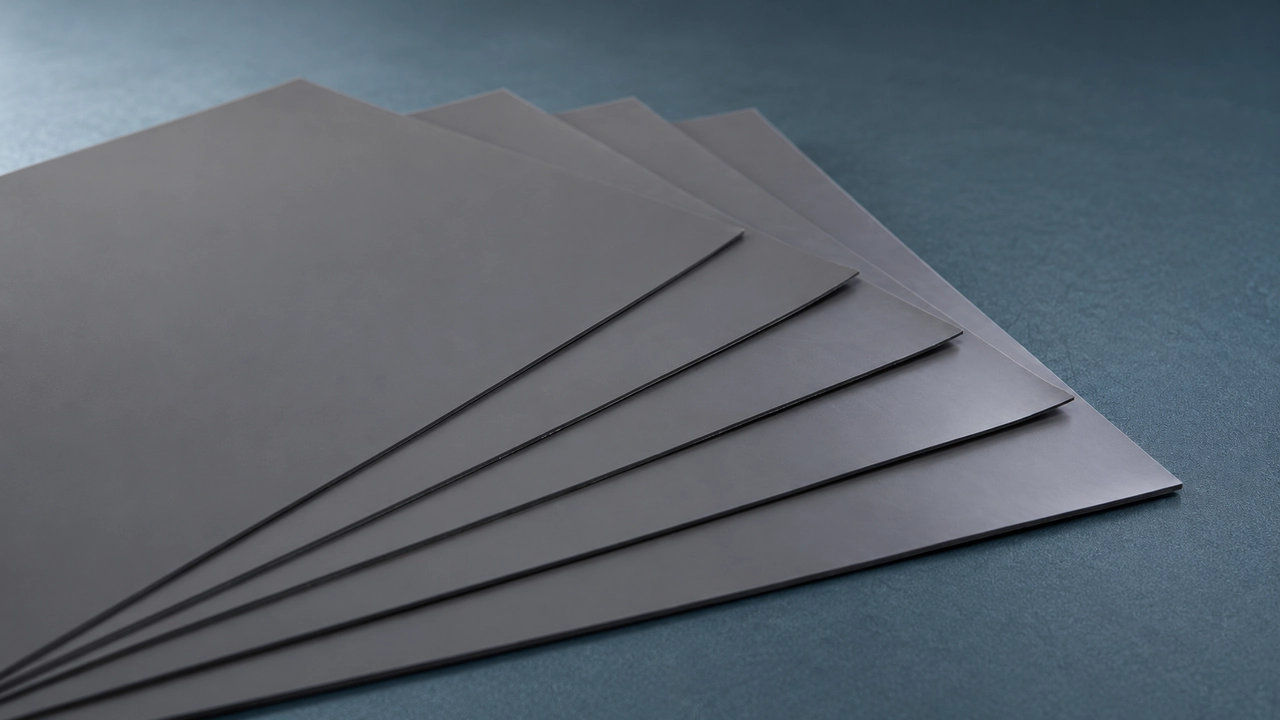
Microwave-absorbing materials operate on a different principle to most of the shielding materials discussed previously. Whilst conventional shielding materials reflect electromagnetic waves, microwave-absorbing materials absorb electromagnetic energy within specific frequency bands. If your industrial controller is experiencing persistent interference issues within a specific frequency band, and testing has revealed that localised reflections or resonance may be one of the causes, then you may wish to consider microwave absorbers. However, in standard low-frequency interference scenarios, there is no need to select them, as they offer poor value for money.
How to Choose the Best EMI Shielding Material
Identify the EMI Source and Operating Frequency
Before selecting EMI shielding materials, you need to identify the exact part of the equipment from which the interference is emanating, as well as its corresponding operating frequency, rather than simply choosing a material with high electrical conductivity. The materials suitable for low-frequency interference are completely different from those for high-frequency interference.
For example, if a variable frequency drive malfunctions during operation, this may be related to interference generated by the motor drive; if sensor readings are unstable, you will also need to check the signal cables, earthing and surrounding equipment. You can prioritise options that match your equipment’s frequency band, thereby reducing trial-and-error costs.
Consider Enclosure Design and Available Space
Take a look at the shape of your enclosure and the space available inside for the shielding components. Some sealing designs can only accommodate thin gaskets; thicker materials simply won’t fit. If the corners are rather tight, flexible materials that are easy to cut to size and fit snugly—such as conductive tape, copper foil tape or conductive fabric—will be more suitable for your needs. For control cabinets that need to be opened frequently for maintenance, finger-shaped springs (beryllium copper springs) are usually the most suitable option, so you may wish to prioritise these.
Evaluate the Operating Environment
You need to confirm the specific operating conditions in which the equipment will ultimately be used. Prolonged exposure to high temperatures, humidity, or environments containing oil or dust will accelerate material ageing. If standard shielding materials are used in such conditions, their shielding performance will gradually deteriorate. You should select materials that are resistant to the relevant environmental conditions to ensure the product continues to meet specifications over the long term. We recommend requesting the relevant data sheets from your supplier to verify temperature resistance, chemical resistance and other relevant specifications.
Check Installation and Manufacturing Requirements
Even if the material itself meets the requirements, you also need to consider how it will be installed and whether your existing production processes can reliably carry out this step.
Some materials are suitable for SMT placement and can be processed directly on automated production lines; others can only be aligned and installed manually. Adhesive tape requires a suitable bonding surface, whilst form-in-place gaskets require suitable dispensing equipment and curing conditions. If your existing production line lacks the necessary supporting processes, even the highest-quality materials will increase the complexity of your production and may lead to defects, thereby affecting factory automation.
Balance Shielding Performance and Total Cost
When selecting EMI EMC shielding materials, price is certainly important, but one must not simply compare the purchase cost of each material. If a material that is too cheap is unsuitable for the equipment’s structure, it may require additional processing, or even a redesign should it fail testing.
At the same time, you should not blindly pursue the very best shielding performance. First, confirm the minimum requirements of your EMC testing standards; as long as the material consistently passes the tests, it is sufficient. You must factor in the unit price of the material, processing costs and the cost of any subsequent rework to find a solution that balances performance and cost in a way that suits your project.
FAQs
Final Thoughts
GALLOP INNOTEK has over 10 years of experience manufacturing EMI shielding materials. We offer custom designs and in-house reliability testing to support your industrial automation projects. Contact us to find the right shielding material for your equipment.