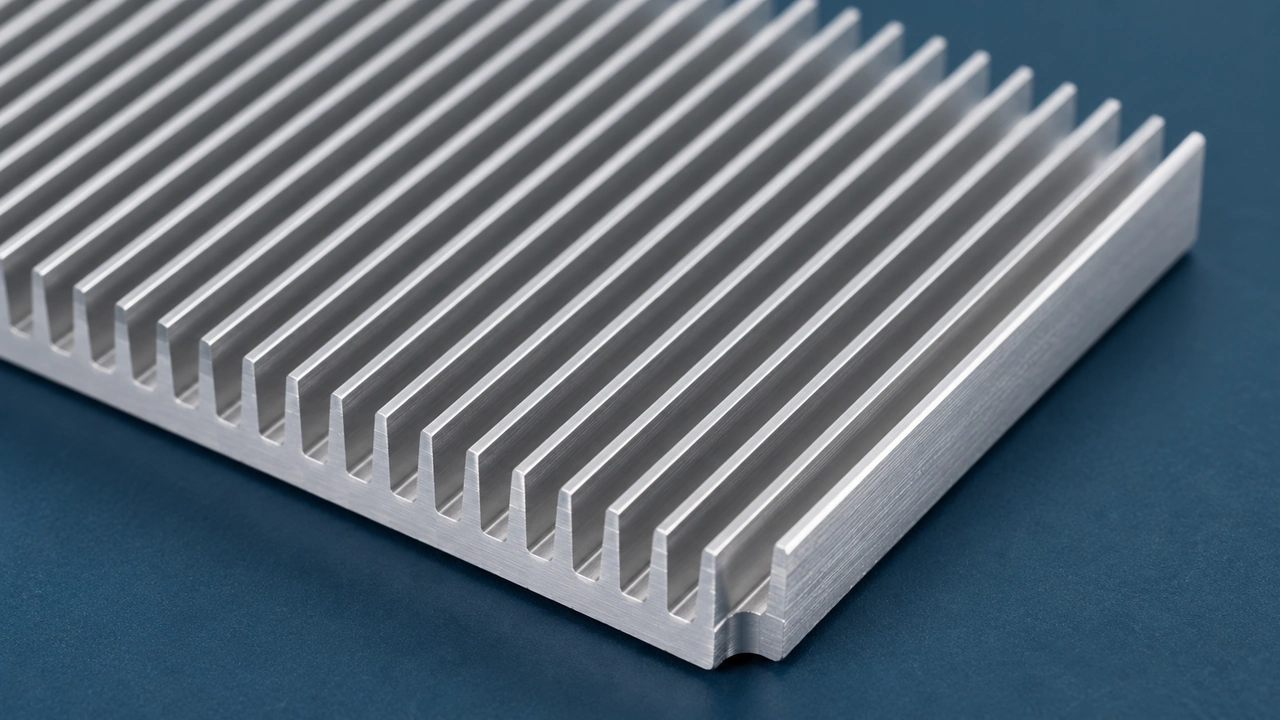
Electronic components generate heat, and thermal paste transfers it to the heat sink, which dissipates it into the surrounding air. Active and passive heat sinks employ different cooling methods, each suited to specific applications. In this article, we will compare the key differences between the two types of heat sinks and help you find the cooling solution best suited to your project.
What Is an Active Heat Sink?
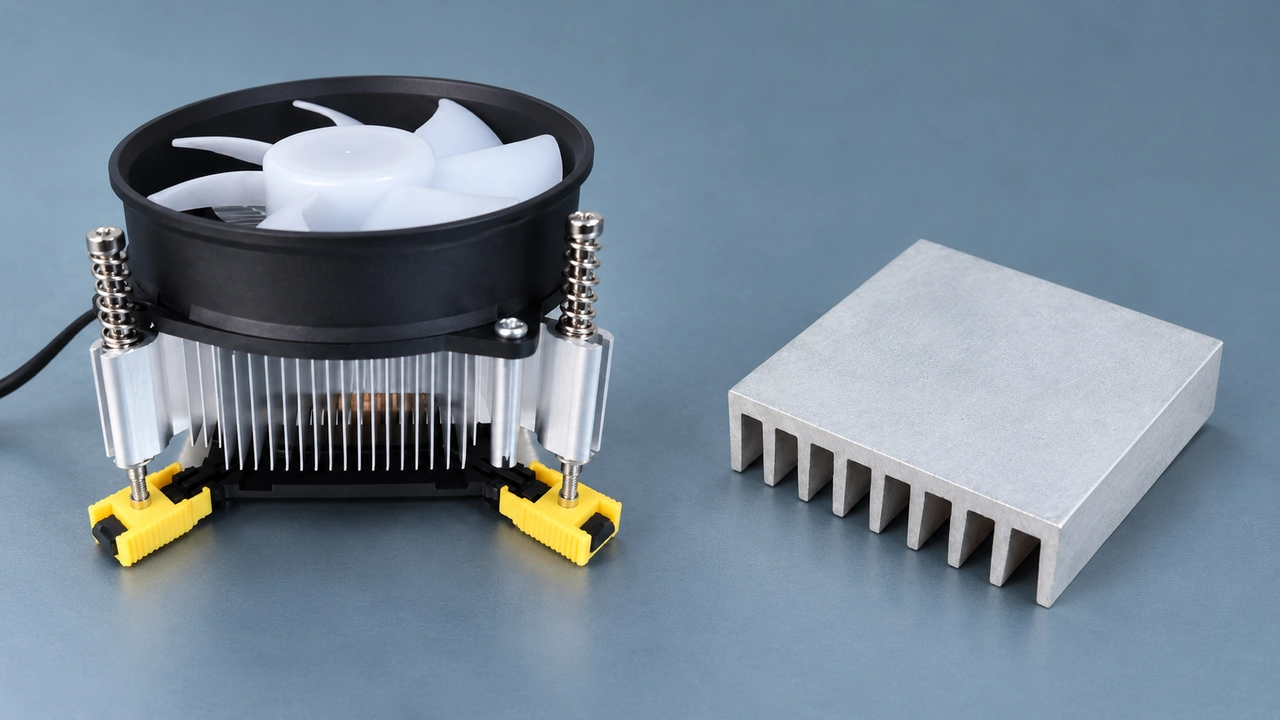
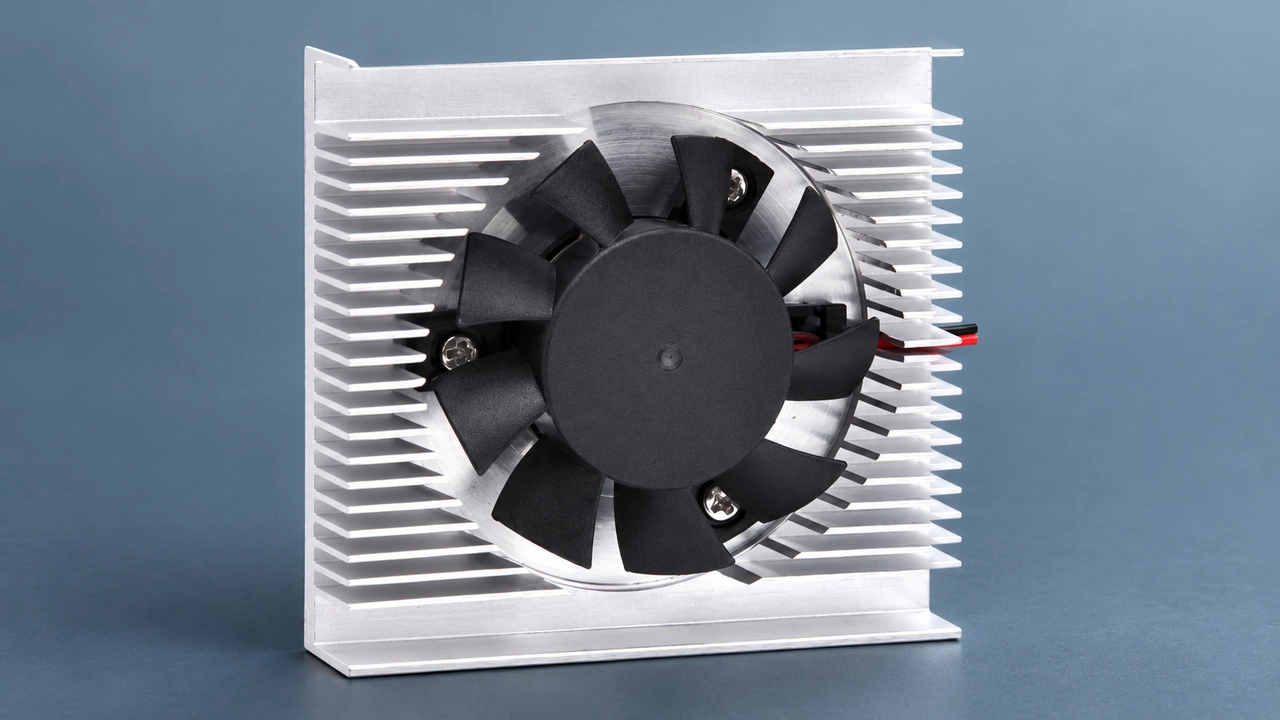
An active heat sink uses external power to move air and carry heat away from the heat source. The most common design combines cooling fins with a fan.
You’ll often see this setup in CPUs, power modules, and high-power industrial control boards. The fan keeps air moving across the fins, helping dissipate heat more quickly. This allows the heat sink to handle a higher heat load in a limited space. The trade-off is that the fan needs power to operate.
What Is a Passive Heat Sink?
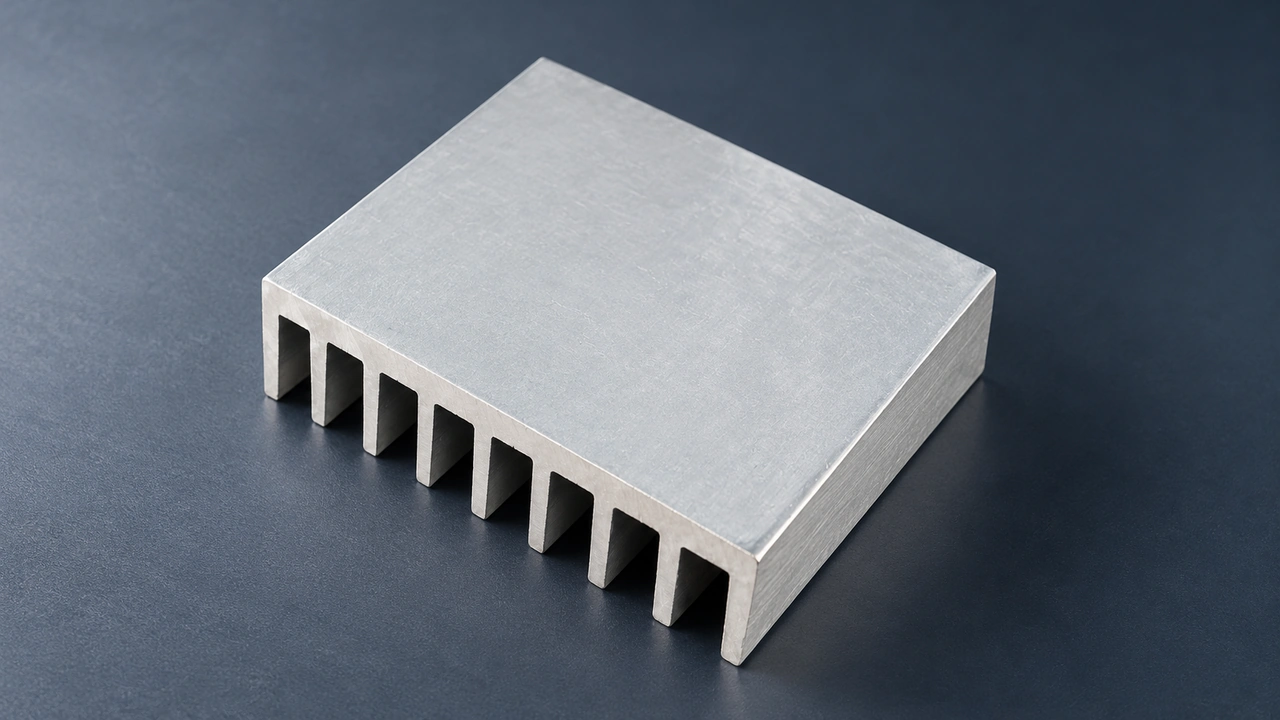
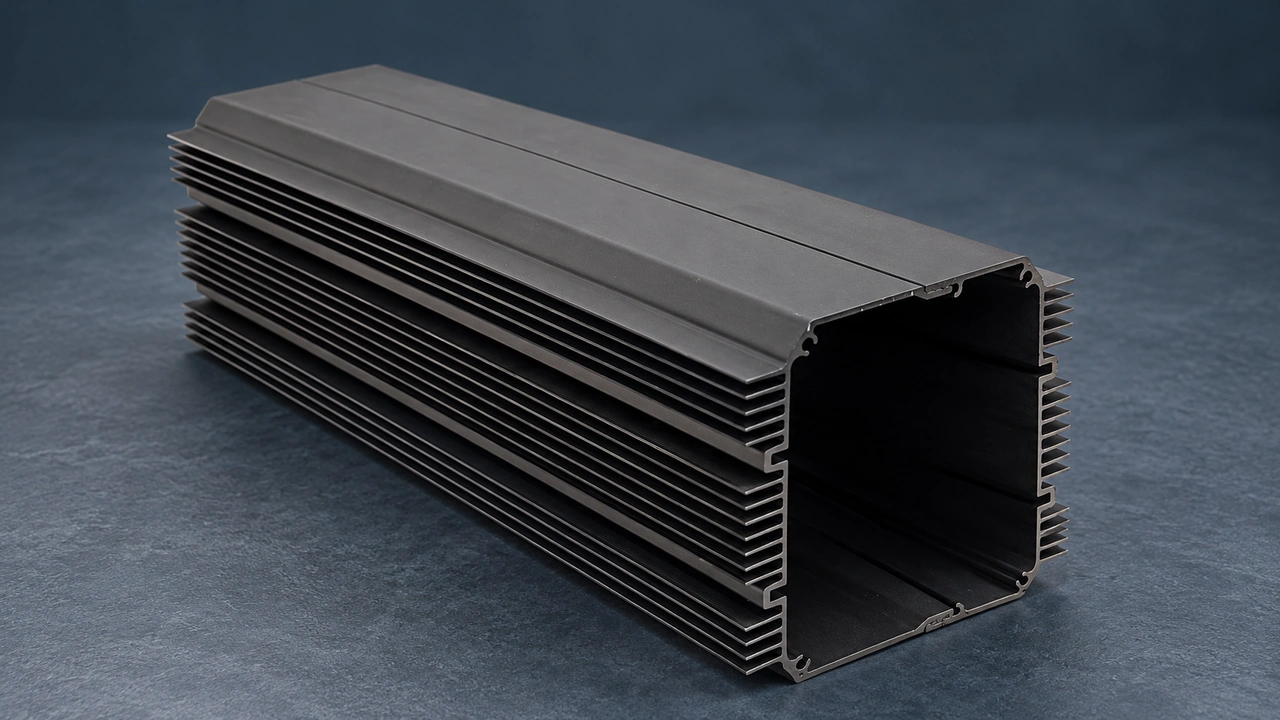
A passive heat sink has no fan or other moving parts. Instead, it relies on the metal body to conduct heat away from the source, then releases it into the surrounding air through natural convection and radiation.
A solid piece of extruded aluminum or a set of copper fins is a typical example. As the heat source warms up, the metal carries the heat away and dissipates it without needing external power. You’ll often find this type of cooling in low-power devices and enclosed systems where adding a fan isn’t practical.
Active vs. Passive Heat Sinks: Key Differences
Cooling Performance
Thanks to the use of forced air cooling or liquid cooling mechanisms, the maximum heat dissipation capacity is higher. When your device has a high thermal load and a compact enclosure, active cooling solutions can rapidly remove large amounts of heat.
Passive heat sinks rely solely on natural airflow, and their heat dissipation capacity is limited by the available space and the openings in the enclosure. They are more suitable for devices with low to medium heat output.
Power Consumption
An active heat sink uses a fan that draws power whenever it runs. If your equipment needs to operate around the clock, you’ll need to factor this extra power consumption into the system’s total power budget. You can also use a fan with speed control to lower its RPM when less cooling is needed, cutting down on unnecessary power use.
A passive heat sink has no moving parts and consumes no power on its own, so it won’t add to your system’s power consumption.
Noise
The rotation of the fan generates continuous noise. If your customers intend to place the product in quiet environments such as offices or laboratories, noise is an unavoidable issue.
Passive heat sinks have no moving parts and produce no fan noise; they operate silently throughout their entire lifespan and cause absolutely no acoustic disturbance.
If your customers are sensitive to noise, you should carry out tests once the unit has been fully assembled, paying particular attention to the noise levels when the equipment is operating continuously under high load.
Installation Space
In addition to fins, active heat sinks may require more space to accommodate fans, heat pipes or liquid-cooling components.
Passive heat sinks only require the metal heat sink body to be positioned; there is no need to allow space for fan movement. Their design is more compact and streamlined, taking up less space. They are ideal for applications where space is limited.
Cost
Active heat sink assemblies have a higher initial cost due to their mechanical components, which include fins and a fan. Furthermore, electricity consumption also leads to higher operating costs.
Passive heat sinks typically cost less as they require no additional components and consist of fewer parts. Furthermore, as they do not consume any extra electricity, their operating costs are also lower. However, in high-power applications, passive heat sinks require a larger volume of metal, which increases costs. Therefore, the choice ultimately depends on the specific application.
Maintenance
Active heat sinks use fans with moving parts, so dust can build up over time and the fan bearings may eventually wear out. You’ll need to clean off the dust regularly and check that the fan is working properly. If you’re using a liquid-cooling system, you should also check for leaks from time to time.
Passive heat sinks are much easier to maintain because they have no moving parts. You don’t need to worry about fan failures or bearing wear. Just make sure dust doesn’t build up between the fins, as it can restrict airflow and reduce heat dissipation.
Lifespan
Fans, like other mechanical components, are consumable parts with a fixed service life. Once a fan fails, the performance of the entire active cooling system deteriorates rapidly.
Passive heatsinks consist solely of a metal body and contain no vulnerable parts. Their structure is simpler, making them more reliable in long-term use. Provided there is no physical damage, their service life can generally match that of the equipment as a whole, thereby extending the product’s operational lifespan.
Efficiency
Under suitable airflow conditions, fans, blowers or liquid cooling systems can increase airflow and accelerate heat dissipation. Active heat sinks can maintain stable cooling efficiency and cope with short-term thermal shocks, thereby offering higher heat transfer efficiency. They can handle sudden spikes in heat and ensure that the chip does not overheat.
The efficiency of passive heat sinks is highly dependent on ambient temperature and air circulation. If used in an enclosed, non-ventilated chassis, heat dissipation efficiency will decline significantly, making the device prone to triggering high-temperature alerts.
| Feature | Active Heat Sink | Passive Heat Sink |
|---|---|---|
| Cooling Performance | Higher cooling capacity | Best for low to medium heat loads |
| Power Consumption | Uses extra power | No extra power needed |
| Noise | Fan noise during operation | Silent operation |
| Installation Space | Needs space for fans or other parts | May need a larger heat sink |
| Cost | Higher upfront and running costs | Lower running costs |
| Maintenance | Needs fan checks and cleaning | Needs occasional dust cleaning |
| Lifespan | Depends on fan life and maintenance | Usually lasts longer due to fewer parts |
How to Choose Between Active and Passive Heat Sinks
Heat Load and Operating Temperature
You should first determine the component’s continuous heat output, then consider the maximum air temperature likely to be reached near the heat sink, as well as the component’s permissible operating temperature.
If the equipment in question generates a large amount of heat and has strict temperature control requirements, active cooling should be prioritised. Examples include industrial controllers and high-power charging station modules—equipment that reaches high temperatures for short periods or operates continuously for long periods. In such cases, you should first consider an active heat sink.
If heat generation is low and there is ample temperature margin, passive cooling would be the safer option, reducing the risk of overheating failures.
Available Space and Airflow
You can check the available space inside the enclosure where the product is to be installed. If the enclosure you are using has virtually no ventilation channels, passive cooling will struggle to be effective. We therefore recommend using active cooling.
If your product allows for the use of a larger metal enclosure or exposed heat sinks, you may wish to consider passive cooling. For equipment that requires dust and water protection, or where it is impractical to create ventilation openings, you may also prioritise passive cooling. However, sufficient space must still be left around the enclosure to allow for heat dissipation.
If your product is compact and cannot accommodate a sufficiently large passive heat sink, but you can provide air inlets and outlets, we recommend using a fan-cooled heat sink. Compact computing devices can utilise fans and air ducts to direct airflow through areas where heat is concentrated.
Noise, Power, and Maintenance Requirements
For equipment used close to people, such as conference room terminals and desktop instruments, you should consider passive cooling first, as long as it can meet your thermal requirements. If the load only spikes occasionally, an active heat sink with temperature-controlled fan speed is another option. The fan can stay off or run at low speed most of the time, then ramp up when temperatures rise.
If your equipment is installed high up or at a remote site, think about how easy it will be to replace the fan when needed. If a fan is necessary, check its expected service life at the actual operating temperatures and make sure there’s enough room for maintenance. For equipment that runs around the clock with limited power available, you’ll also want to factor the fan’s power consumption into the system’s overall power budget.
Total System Cost
When comparing quotes, make sure both options meet the same cooling requirements before looking at the total cost. If your upfront budget is tight, a compact active heat sink may be a better fit, but you’ll also have ongoing electricity costs to consider. A larger passive heat sink can eliminate the need for a fan, though it may require a bigger enclosure.
If replacing a fan means sending someone out to the site, labor and downtime can easily cost more than the fan itself. You can ask your supplier to quote both active and passive options, then compare the full cost, including the heat sink, thermal interface materials, mounting hardware, and assembly. From there, consider how long you expect the equipment to run before making your decision.
Thermal Interface Materials (TIMs)
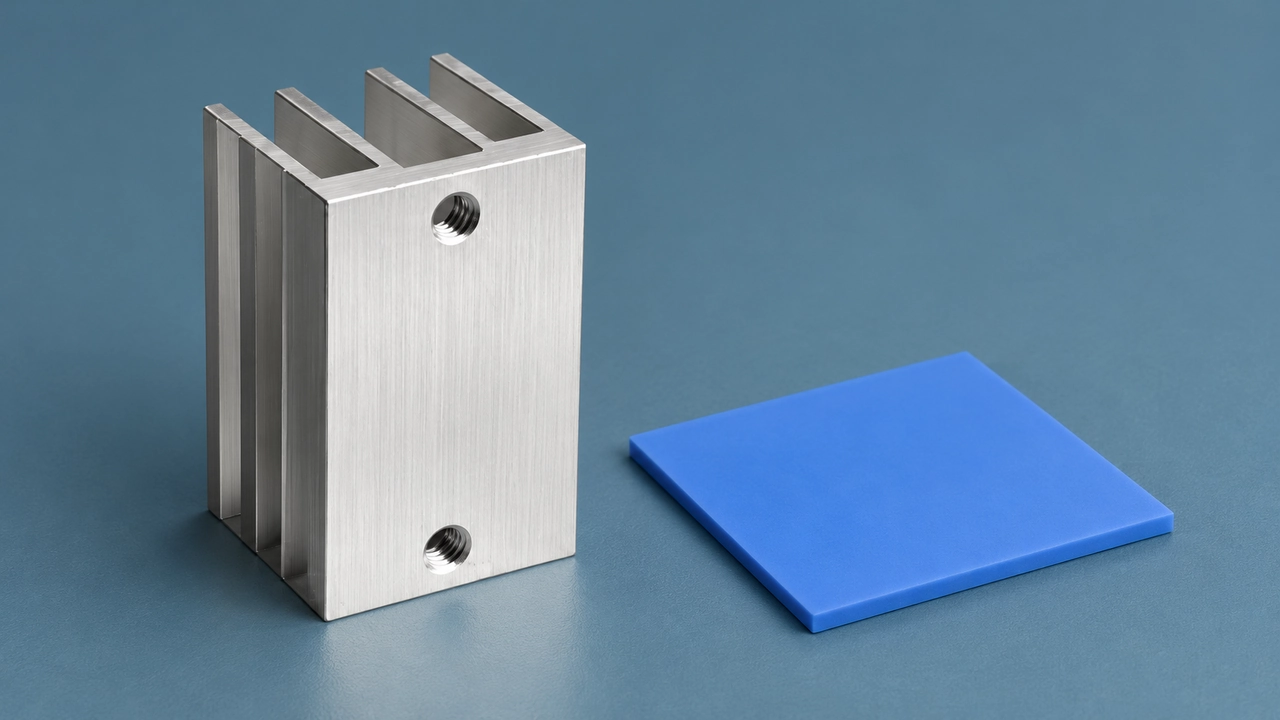
Heat sinks and thermal interface materials (TIMs) are part of an integrated thermal management solution. TIMs fill the microscopic gaps at the contact surface between the heat source and the heat sink, reducing thermal resistance. Selecting the right combination of the two will result in better heat dissipation.
If you have already selected a thermal interface material for your project, you should consider both the contact gap and the mounting method when choosing a heat sink.
If your product is a compact computing device that operates under sustained high loads and requires airflow to control temperature, we recommend selecting an active heatsink and verifying that the airflow is sufficient.
If your device can dissipate heat normally even under sustained high loads, then you can choose a passive heatsink.
FAQs
Final Thoughts
GALLOP INNOTEK has over 10 years of experience manufacturing heat sinks. We can help you assess active and passive cooling options and match the heat sink and TIM to your project’s requirements. Contact us to discuss your heat sink requirements.