Understanding the safety issues of thermal paste will assist you in selecting the right product for your project and standardising production procedures. It will also reduce the risk of product failures and customer complaints. This article will help you identify potential risks and review safety data, providing a basis for your thermal paste selection.
What Is Thermal Paste?
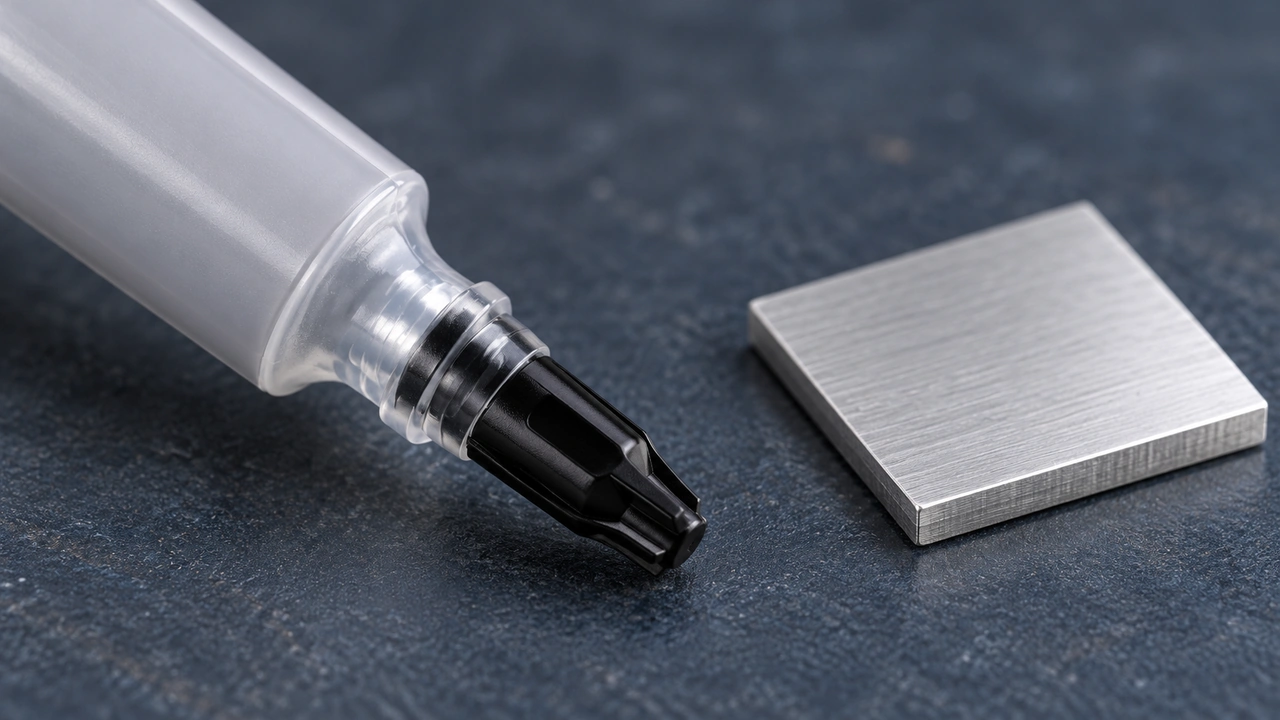
Thermal paste, also known as thermal grease, is a paste-like thermal interface material typically applied between a heat-generating component and a heat sink. It is used to fill the minute gaps between two metal contact surfaces. You will find it between heat sources such as chips and power devices and their heat sinks. Thermal grease reduces interfacial thermal resistance, allowing heat to transfer more quickly to the heat sink and dissipate. This prevents devices from overheating, which could lead to throttling or burnout, thereby extending the lifespan of electronic products.
Chemical Composition of Thermal Paste
Thermal grease is primarily composed of a mixture of two types of core raw materials, with a small amount of additives added to adjust its performance.
Base oil: Acting as a carrier to enable the fillers to form a spreadable paste, this is mostly silicone oil (polydimethylsiloxane), although non-silicone systems are also available; its function is to form the paste and bind the thermally conductive powders. This ensures that the paste will not harden or crack rapidly when your equipment is subjected to alternating high and low temperatures. Your product will not suffer from overheating faults due to temperature fluctuations.
Thermal fillers: Common examples include aluminium oxide, zinc oxide, boron nitride and aluminium nitride ceramic powders, which are used to enhance heat transfer capacity. This is a key factor in determining thermal conductivity. For high-end products, silver powder and carbon powder are added at this stage.
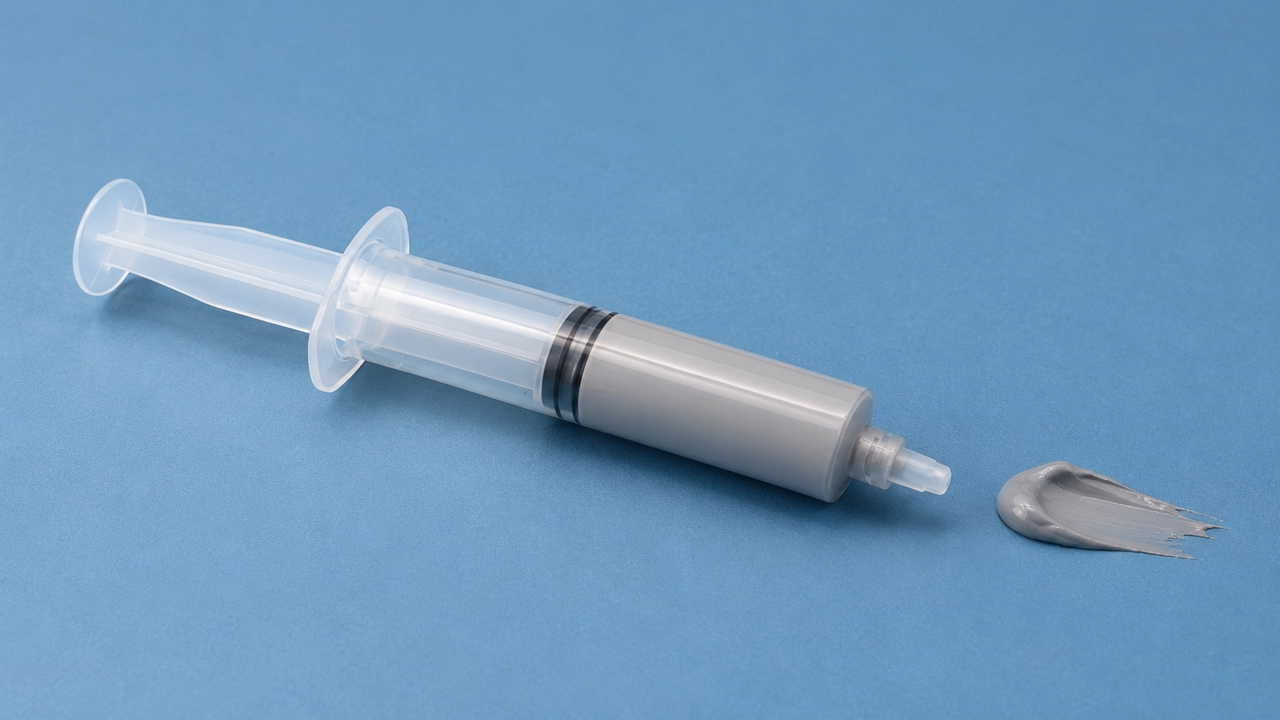
Small amounts of additives: Such as antioxidants and oil-inhibitors, which reduce oil bleeding and drying out at high temperatures, thereby enhancing long-term stability. These additives help control dispensing consistency and material stability, minimising application issues during the assembly process.
Defining Hazardous Chemicals
With reference to the United Nations’ GHS (Globally Harmonised System of Classification and Labelling of Chemicals), the key considerations for hazardous chemicals are:
Physical hazards: Is there a risk of fire, explosion or other physical harm? For example, is the substance flammable, explosive or corrosive to metals?
Health hazards: Is there a risk of harm to human health? For example, could exposure cause acute toxicity, skin corrosion or irritation, sensitisation or carcinogenicity to your customers?
Environmental hazards: Could it pose a risk to the environment—specifically, acute or long-term harm to aquatic organisms? If thermal paste is disposed of in the natural environment, could it cause harm? If your industry is committed to environmental protection, this could have a negative impact on your brand.
Next, we will examine whether thermal paste contains any of the above hazards.
Is Thermal Paste a Hazardous Chemical?
Is Thermal Paste Toxic to Humans?
Genuine thermal grease products available on the market generally do not contain toxic or harmful substances. Their main components—silicone oil and metal oxides—are highly stable at room temperature; they do not volatilise easily and are unlikely to be absorbed through the skin and cause harm to the human body. Therefore, normal use and contact will not result in acute poisoning. Even if a small amount is accidentally ingested, it will not usually cause severe acute poisoning.
In production environments, we recommend that employees use dispensing tools to minimise manual contact and select personal protective equipment in accordance with the Safety Data Sheet (SDS). We advise clearly labelling the product with a ‘Do not ingest’ warning to prevent accidental ingestion by your customers, which could lead to serious after-sales issues.
Is Thermal Paste Flammable?
Conventional thermal paste does not ignite easily.
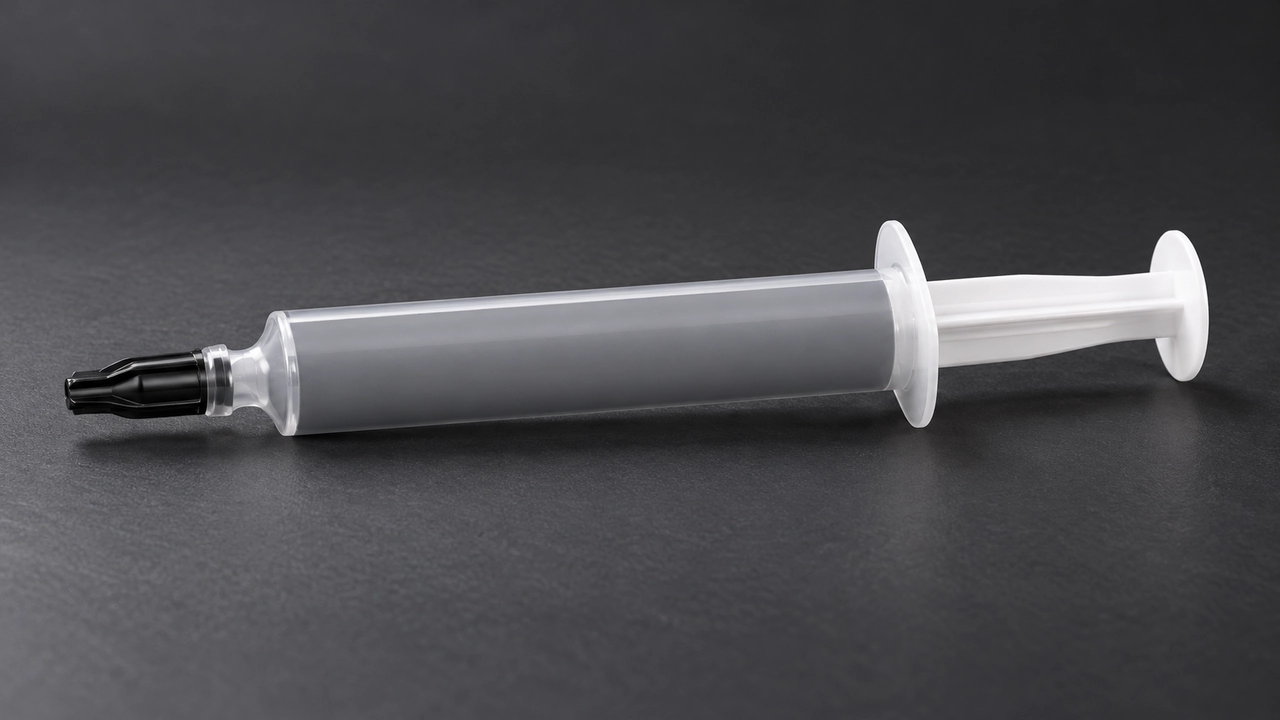
Its silicone oil carrier has a high flash point, and there is no risk of fire at room temperature or at normal operating temperatures. It will only decompose slowly when exposed to sustained high temperatures or an open flame. If your process involves heating, you should check with your supplier to confirm the product’s operating temperature range and fire safety requirements.
When storing or transporting finished products, you do not need to treat them as flammable goods; this lowers the threshold for warehouse fire safety controls and reduces safety risks.
Is Thermal Paste Corrosive?
A suitable thermal paste is non-corrosive. It will not corrode aluminium or copper heat sinks, nor will it erode PCBs or similar components. Furthermore, it does not cause corrosive damage to human skin and does not fall within the category of hazardous chemicals.
However, when making a purchase, you must avoid inferior formulations, as these may contain acidic impurities that can gradually corrode metals when exposed to high temperatures over a long period. If incorporated into a product, this could lead to customer complaints and after-sales faults during subsequent use, resulting in unnecessary losses.
Is Thermal Paste Harmful to the Environment?
Under normal conditions of use, conventional silicone-based thermal grease does not release toxic pollutants and does not cause significant acute pollution to water bodies or soil. Its main components—silicone oil and inorganic ceramic fillers—are chemically stable, although they degrade very slowly in the natural environment.
Thermal grease therefore meets the basic requirements of international environmental regulations such as RoHS and REACH, facilitating the entry of your products into strictly regulated overseas markets such as Europe and the United States. However, it is important to note that thermal grease must not be poured directly onto soil or into water sources; indiscriminate disposal in large quantities will still result in an environmental burden if it accumulates over the long term.
Why Do Some People Consider Thermal Paste a Hazardous Chemical?
Firstly, you may confuse metal compounds with toxic metals. Ingredients such as aluminium oxide and zinc oxide may immediately bring to mind ‘heavy metal poisoning’. However, the properties of a compound cannot be judged solely by the metal in its name.
Secondly, the classification of certain products as environmentally hazardous is often generalised to the majority. A small number of specialised grades contain heavy metals, organic solvents or specific substances of very high concern, posing significant environmental risks; the metal powders in conductive thermal interface materials may carry health warnings in situations involving the inhalation of large quantities of dust. People tend to apply the risks associated with these few specialised grades to all thermal interface materials.
Thirdly, operational warnings are mistaken for conclusions regarding hazardous classification. For example, recommendations to wear gloves or avoid inhaling dust. Your customers may see these warnings and immediately assume the product is a hazardous chemical. These warnings are merely recommendations for safe handling and do not equate to classification as a hazardous chemical.
How to Safely Handle Thermal Paste
Precautions and Personal Protection
For roles involving frequent contact with materials, you should provide staff with basic safety training. When dispensing, coating or replacing cartridges, we recommend that your operators use tools to handle the material, thereby minimising direct contact. Is thermal paste harmful to skin? Avoid prolonged and repeated contact between the paste and the skin to prevent itching or irritation in some operators.
If the paste comes into contact with your hands, simply wash them with clean water; ensure the work area is well-ventilated, and wear a face mask when opening containers or stirring powdered thermal paste to avoid inhaling any airborne filler particles.
Storage Conditions and Shelf Life
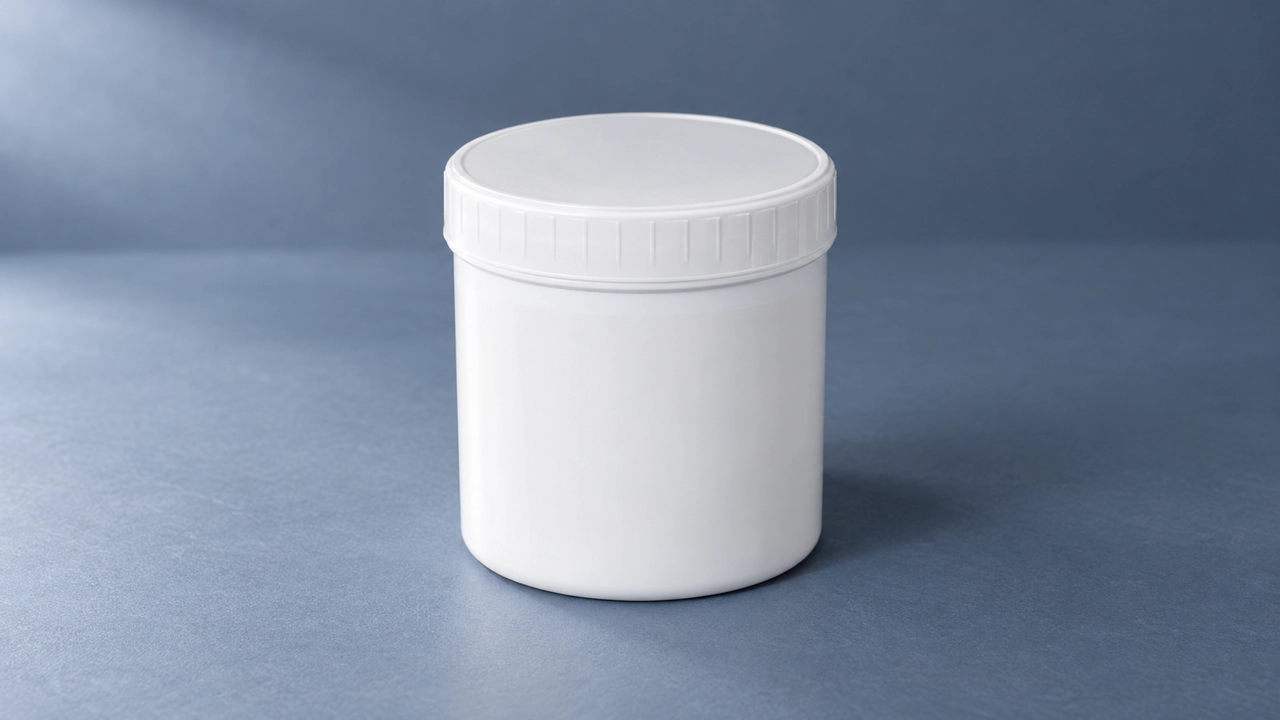
Thermal paste should generally be stored in a sealed container in a cool, dry place, away from heat sources and high-temperature workshops. The recommended storage temperature is room temperature; do not freeze the product. This helps prevent the entire container of thermal paste from deteriorating prematurely, reduces wastage of raw materials, ensures consistent thermal performance across every batch, and prevents poor heat dissipation in any batch. Unopened thermal paste from the original manufacturer has a fixed shelf life; once opened, its usable lifespan is reduced. You should therefore implement effective batch management for stock, adhering to the first-in, first-out principle.
Spill Cleanup and Waste Disposal
In the event of minor spillage during production, the substance may be wiped up and collected using a lint-free cloth; dispose of the used cloth according to the product’s SDS and local waste rules. In the event of a major spill, first cordon off the area, collect the paste and place it in a sealed container; do not allow it to flow into the drains.
Residual and waste paste generated during production should be disposed of as general solid waste and does not constitute hazardous waste. Consequently, the spill response procedure is straightforward and does not require a hazardous waste collection licence, which can significantly reduce your factory’s waste disposal costs. We recommend that you do not dispose of it indiscriminately into the soil or drainage systems to avoid environmental harm or triggering environmental inspections.
Thermal Paste Safety: What Should You Check?
Electrical Conductivity and Material Compatibility
Before purchasing, you must ensure that the thermal paste is either insulating or conductive. Choosing the wrong type will directly cause a short circuit on the PCB, resulting in the entire batch being scrapped. Poor-quality formulations may bleed oil when exposed to high temperatures over the long term, corroding or softening plastics and paint finishes, and contaminating your circuit boards. Even though thermal paste is not classified as a hazardous chemical, it is essential to carry out small-scale compatibility tests in advance to prevent oil bleeding and component ageing or failure after installation, thereby reducing the need for after-sales repairs.
Operating Temperatures and Process Conditions
Temperature can alter the behaviour of the chemicals in thermal paste. If the temperature exceeds the rated range, the thermal paste may degrade more rapidly, releasing volatile substances that pose health or environmental risks; unsuitable processes may also cause dust to become airborne. We recommend that you ensure the temperature range is suitable for your operating conditions to prevent high temperatures from causing the chemicals to degrade and generate additional harmful substances.
Safety Documentation and Formula Change
If you wish to verify whether this thermal paste contains any harmful chemicals, the key reference is the SDS (Safety Data Sheet). You can request the SDS, RoHS and REACH SVHC reports from your supplier to determine the classification of chemicals and the content of hazardous substances. Obtaining these compliance documents provides you with an official basis for assessing the properties of the chemicals; by managing formulation changes, you can avoid export failures or factory audit failures caused by changes in the performance of the chemicals in the thermal paste.
FAQs
Final Thoughts
GALLOP INNOTEK has over 10 years of TIM manufacturing experience. We offer thermal pastes with complete SDS, RoHS and REACH documents, backed by in-house ageing and thermal cycling tests. Our team helps you select a suitable material and check its performance before production. Contact us to discuss your thermal paste requirements.