



Why Choose Our Silicone Thermal Pad?
- With over 10 years of experience in silicone thermal pad manufacturing and more than 200 completed customer/application projects.
- Equipped with WMS-MES intelligent production systems and tracking systems to achieve consistent quality in mass production.
- The thickness-control and early-warning system helps maintain tight thickness tolerances.
- All silicone thermal pads are produced under certified quality, with standards like RoHS、REACH、UL 94、ASTM D5470、ASTM D149、ASTM D257, etc.
- GALLOP INNOTEK provides comprehensive services including thermal simulation support, rapid prototyping, and production support from small to large batches.
Your Reliable Silicone Thermal Pad Supplier
As an experienced silicone thermal pad manufacturer, GALLOP INNOTEK offers comprehensive services including thermal simulation testing, flexible customisation, rapid prototyping and sample delivery, alongside full compliance certification. Our products serve as an efficient thermal interface between high-temperature components and heat dissipation devices across various industries, including electronics, automotive, and industrial automation.
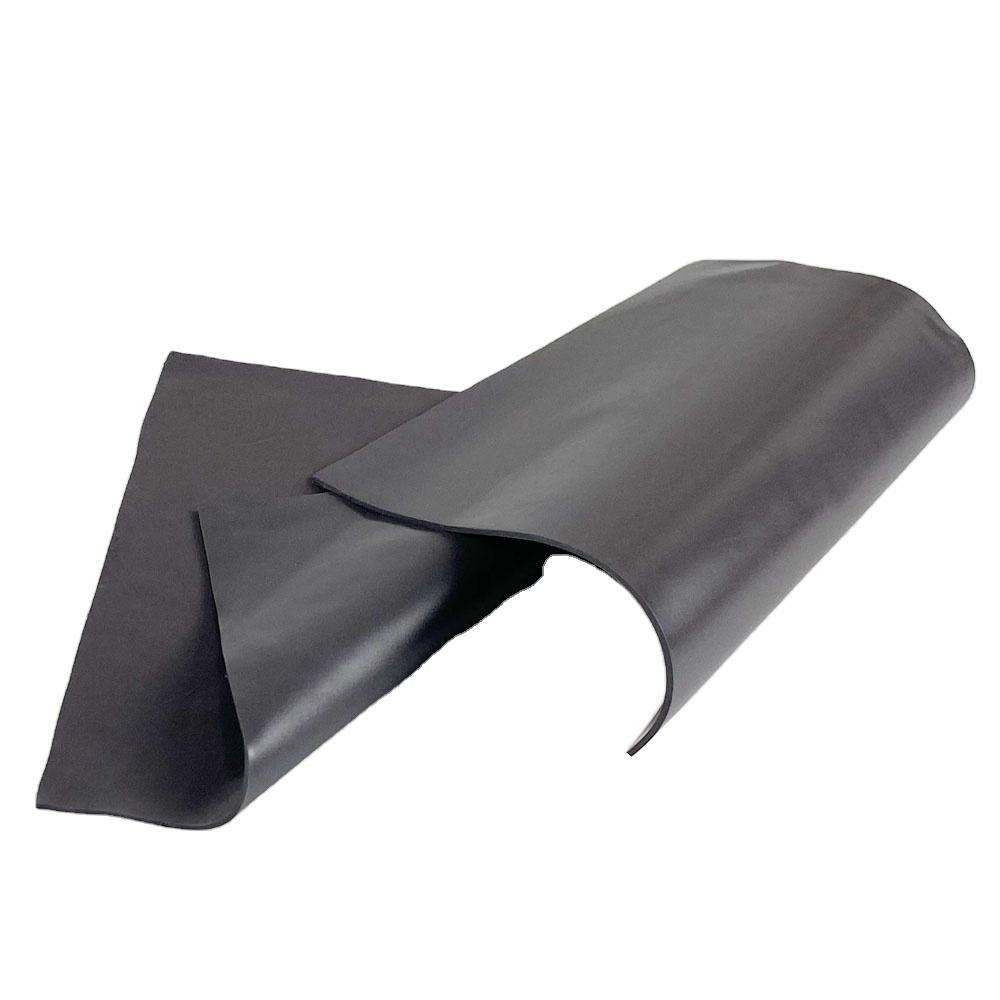
A 25 W/(m·K) carbon-fiber thermal pad available in thicknesses from 0.3 to 3.0 mm.
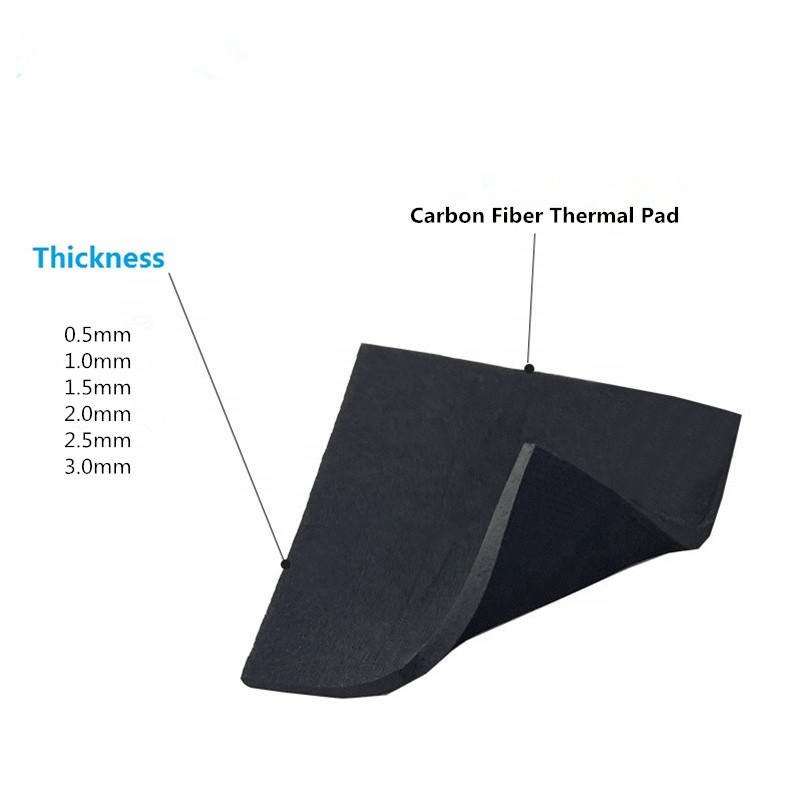
A 35 W/(m·K) carbon-fiber thermal pad using vertically aligned fibers to form a heat-transfer path.
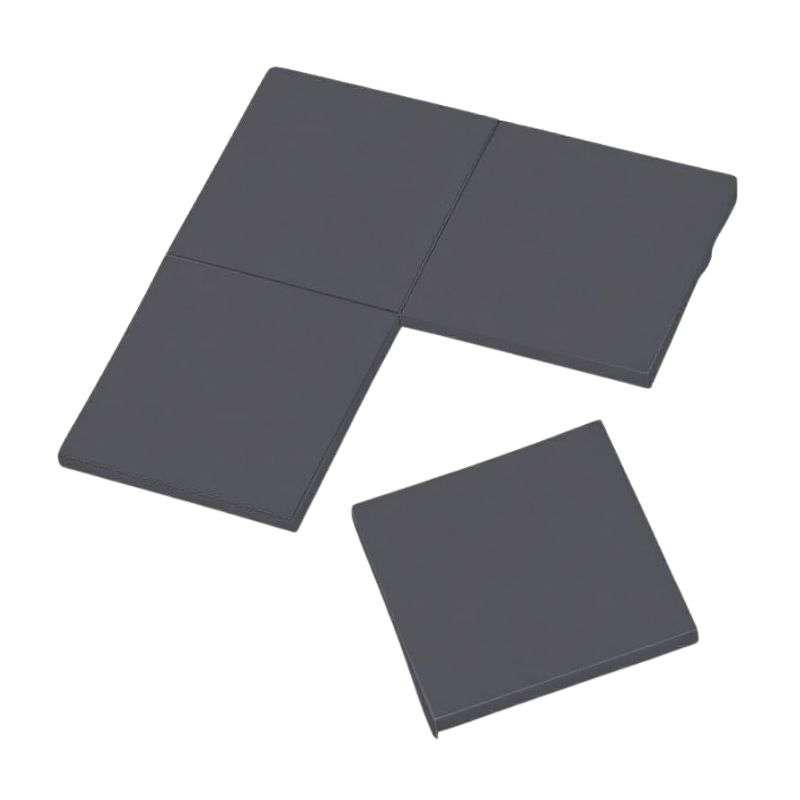
A thin carbon-fiber thermal pad with a listed conductivity of 50 W/(m·K).
A compliant graphene thermal pad designed to bridge gaps between components and cooling surfaces.
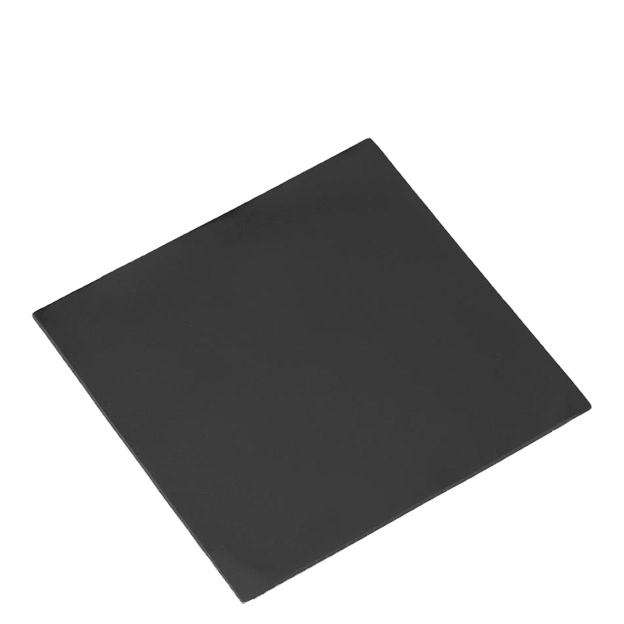
A graphene thermal pad offered in four thicknesses from 0.3 to 0.8 mm.
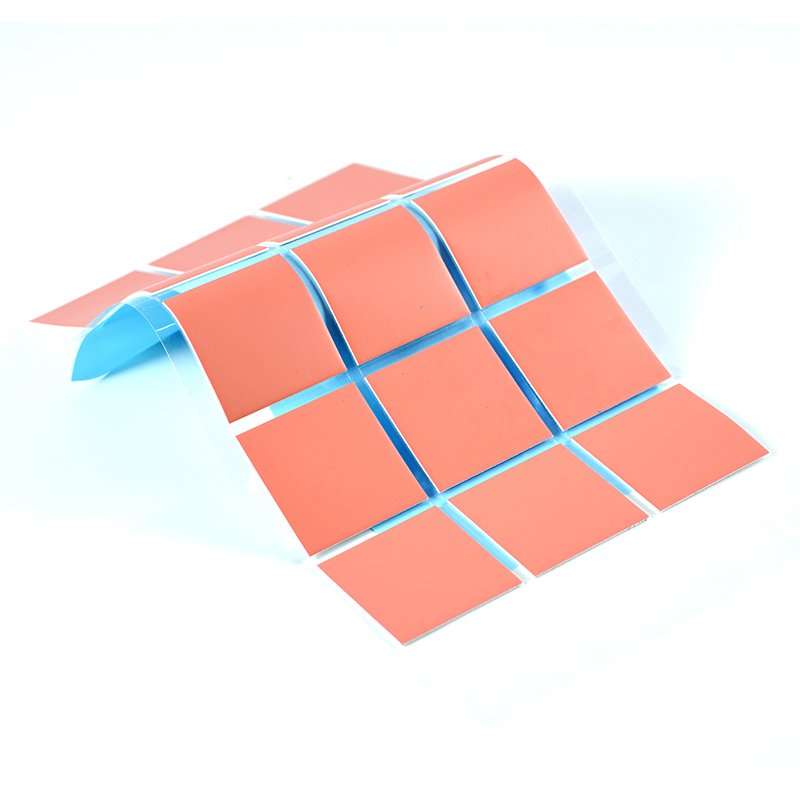
A 1.2 W/(m·K) ultra-soft silicone pad with fiberglass reinforcement for handling support.
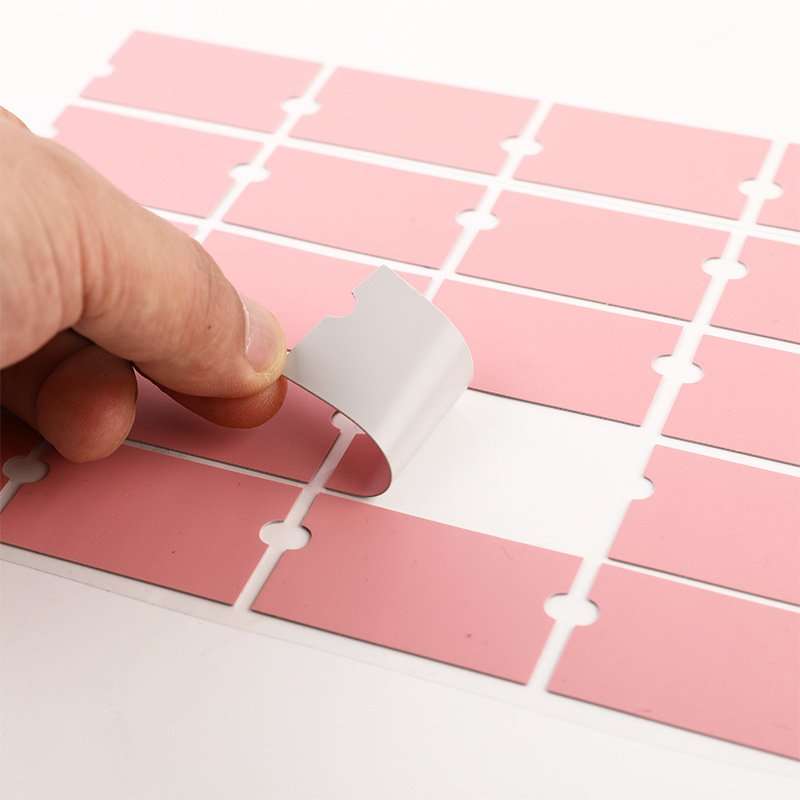
A 1.5 W/(m·K) ultra-soft silicone gap pad with a fiberglass carrier.
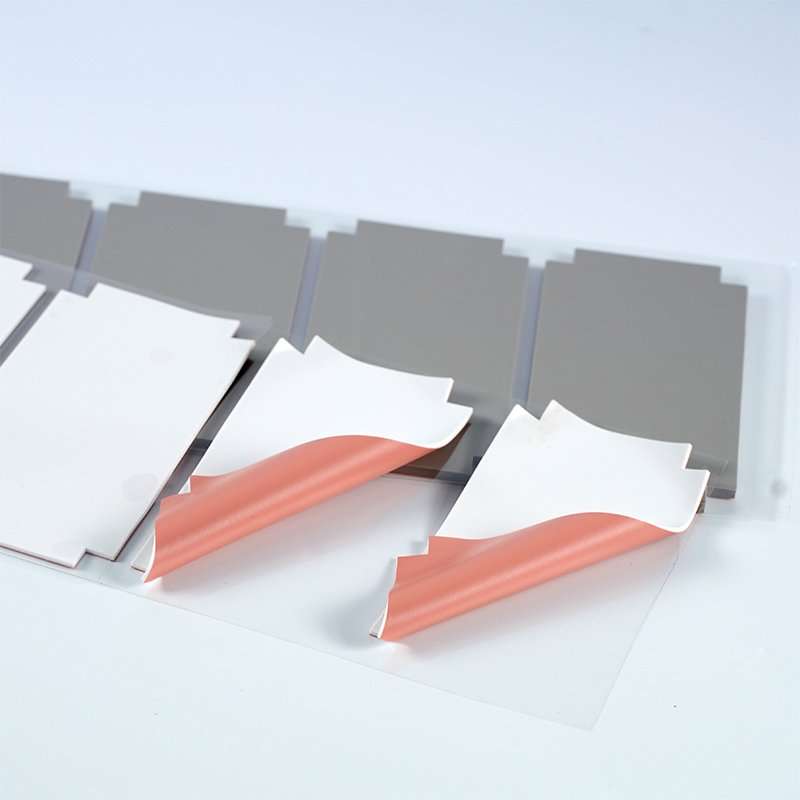
A 2.2 W/(m·K) ultra-soft silicone pad for conformable contact across uneven interfaces.
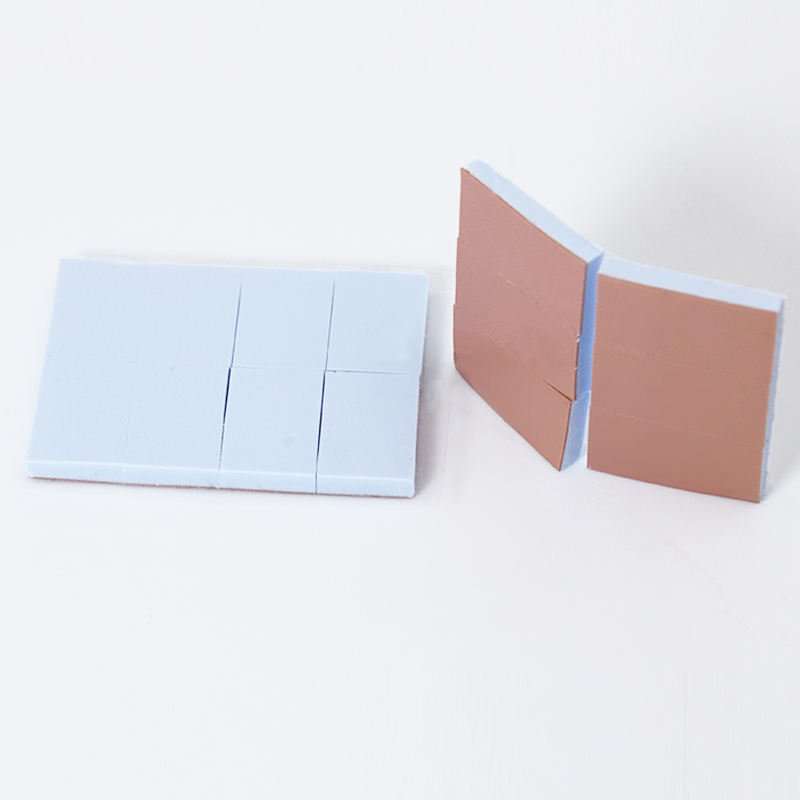
A 3.0 W/(m·K) ultra-soft silicone gap pad with fiberglass reinforcement.
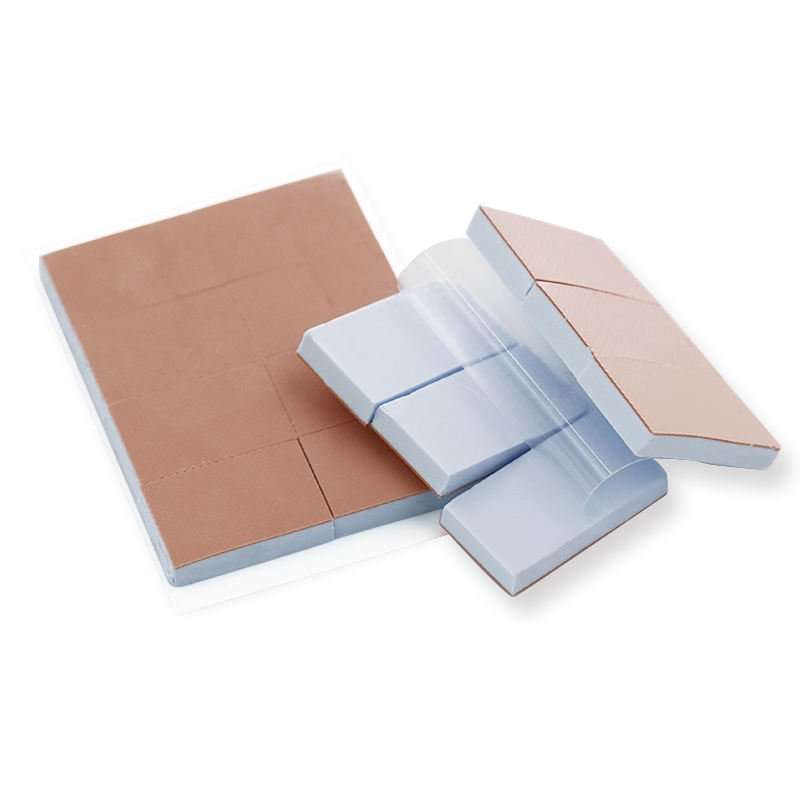
A 4.0 W/(m·K) ultra-soft silicone pad offered in thicknesses from 0.5 to 20 mm.
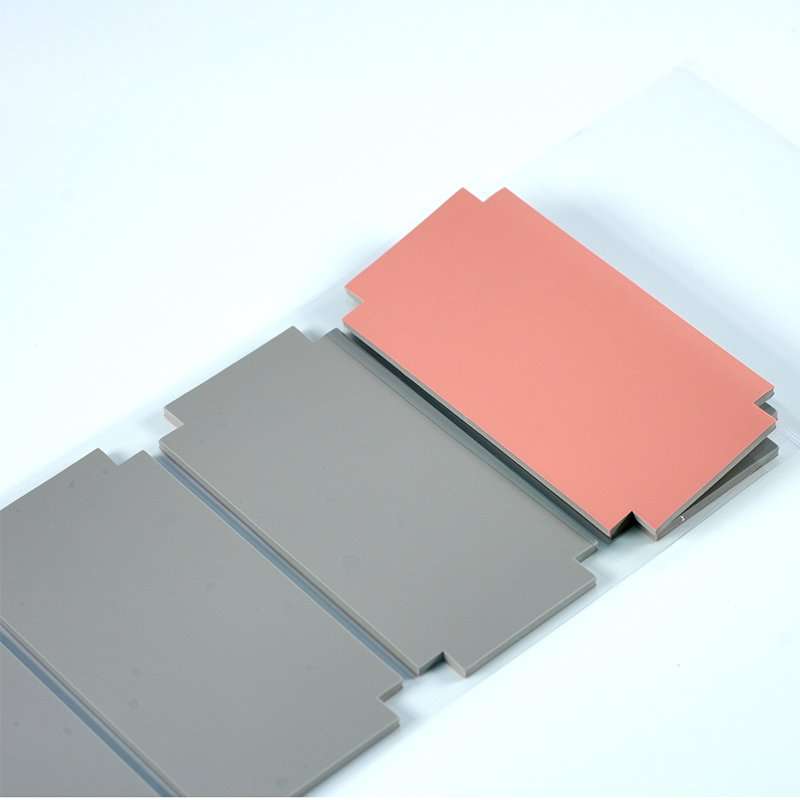
A 5.0 W/(m·K) ultra-soft silicone pad with a published hardness range of 20–60 Shore 00.
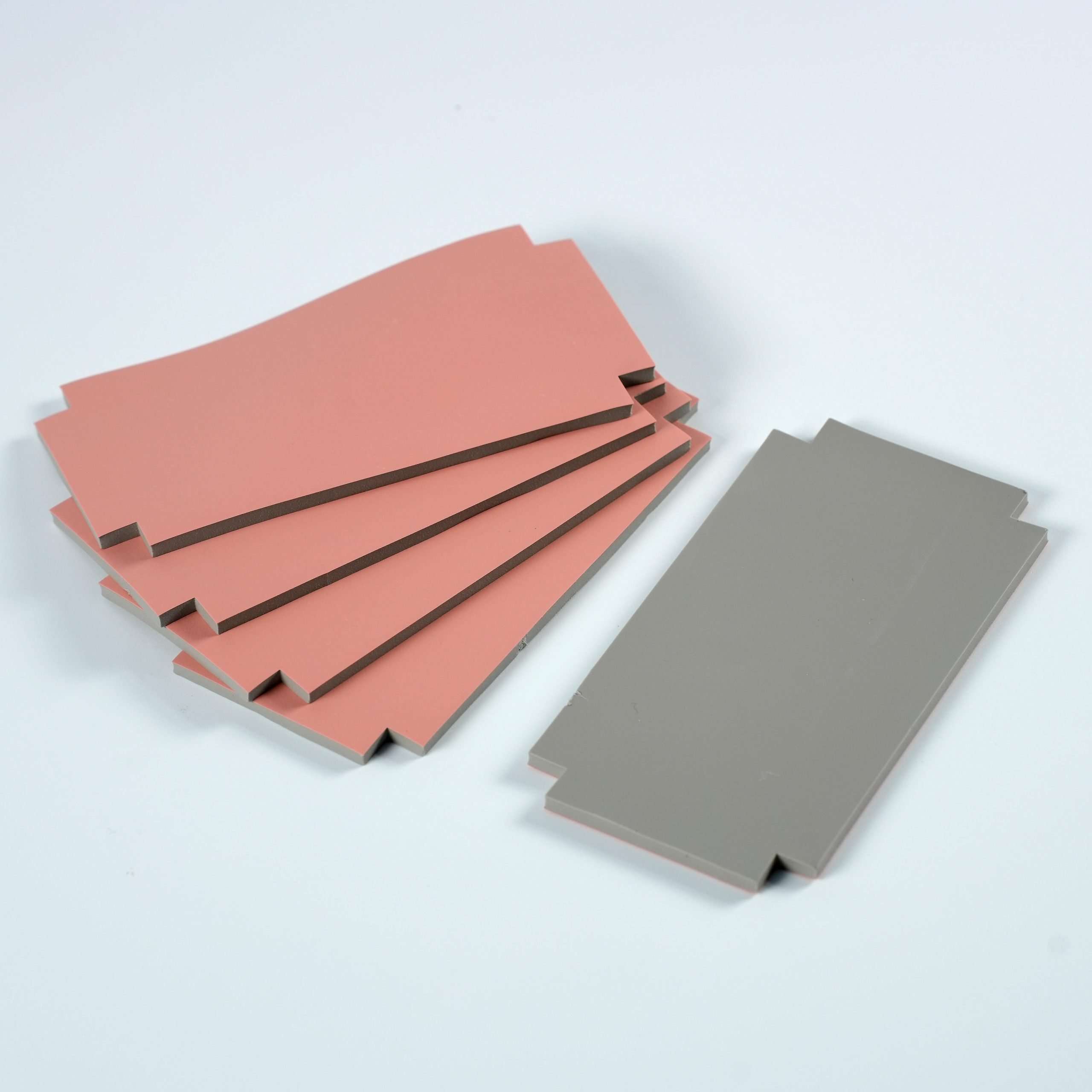
A 7.0 W/(m·K) ultra-soft silicone pad with a published hardness range of 15–40 Shore 00.
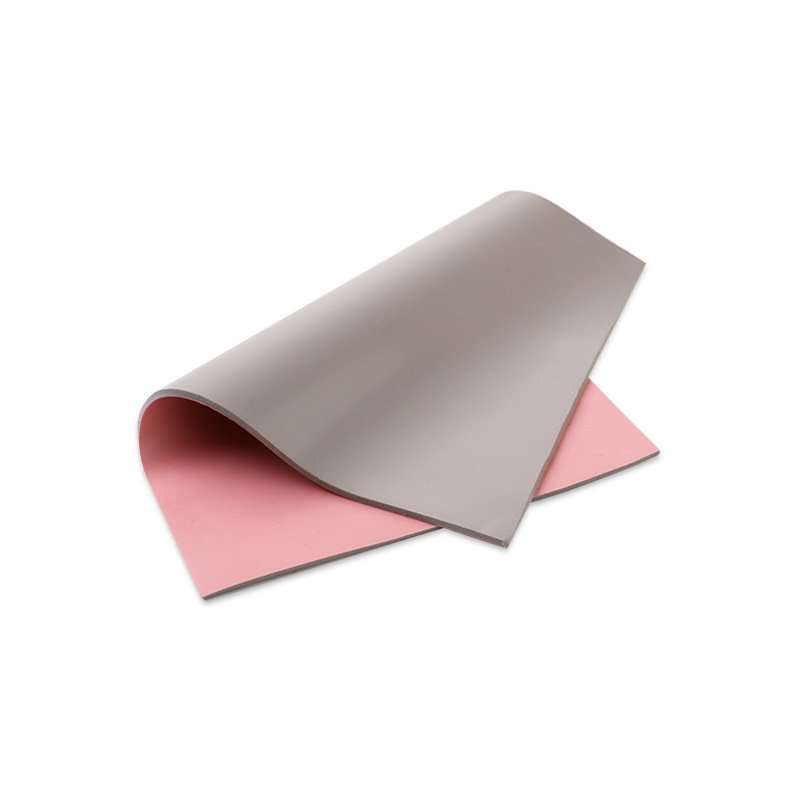
An 8.0 W/(m·K) ultra-soft silicone pad reinforced with coated fiberglass fabric.
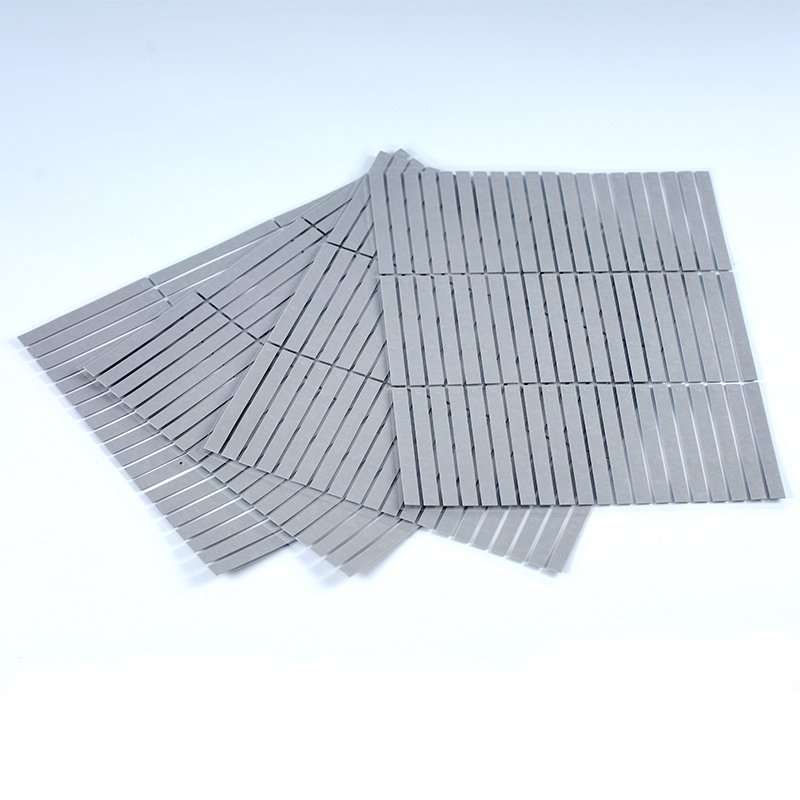
A 1.5 W/(m·K) thermal gap pad for electronic interfaces.
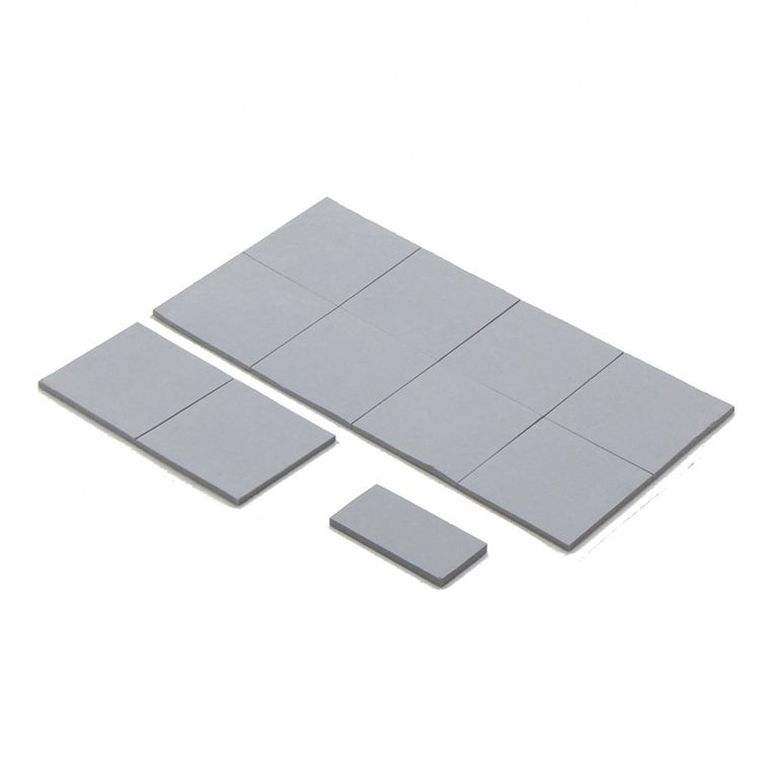
A 13.0 W/(m·K) silicone pad designed for interfaces requiring both heat transfer and electrical conduction.
Features of Silicone Thermal Pad

Providing optimal and secure isolation protection for conductive components whilst maintaining thermal conductivity.

Delivers long-term performance under thermal cycling; resistant to wear, cracking, and degradation.

Conforms to uneven surfaces and accommodates dimensional tolerances with controlled compression.

Remains securely in place during assembly and operation without slipping or breaking.

Protects delicate components by absorbing mechanical stress and vibration.

Efficiently transfers heat away from electronic modules to heat sinks or chassis.

Selected silicone thermal pad grades offer UL 94 V-0 flammability ratings for electronic assemblies.

Simple to apply, cut, or shape to fit a variety of device designs.
Customisation Capabilities
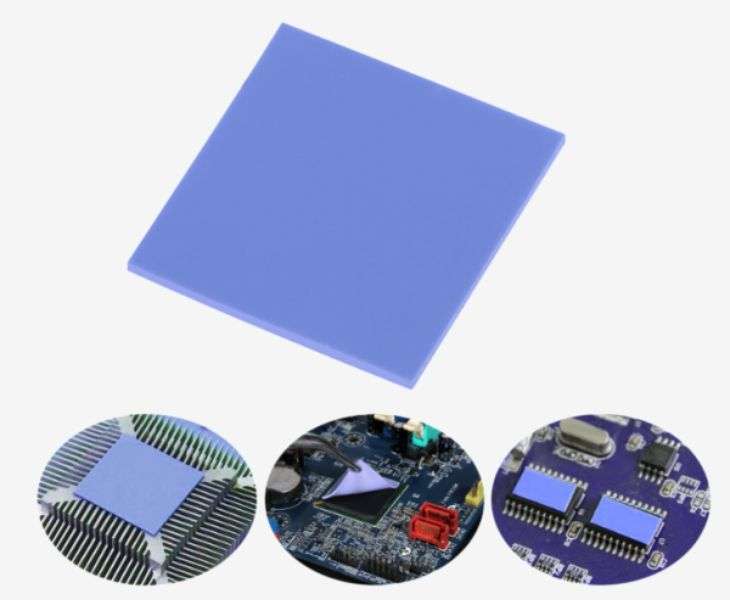
GALLOP INNOTEK offers a wide range of thermal conductivity options, thicknesses, and hardness grades to meet the performance requirements of diverse applications. Precision cutting, thickness, hardness, and thermal pad with adhesive layer customization services are also available to achieve a more suitable thermal silicone pad. Whether for small batches or large-scale production, we can respond swiftly to enable rapid sampling and accelerate your project timeline.

Long-Term Reliability
GALLOP INNOTEK has a comprehensive intelligent production system, ensuring that every thermal pad leaving the factory meets high-quality standards and strict tolerances. Silicone thermal pads offer a long service life. Depending on material grade, operating temperature, compression, thermal cycling, and environmental conditions, our thermally conductive silicone pads can deliver stable performance for up to 10 years. This reduces maintenance and operational costs for your products, achieving greater cost-effectiveness.
Applications of Silicone Thermal Pad

Silicone thermal pads have high thermal conductivity, a lightweight nature, and low volatility. You can select suitable computer thermal pads/pc thermal pads for products such as laptops, VR/AR devices, set-top boxes, and thermal pads for RAM. We also provide thermal pads for phones, battery thermal pads, etc.

Our soft insulating silicone thermal pads offer low compression force and insulation, highly suitable for use in BMS, on-board chargers, DC/DC converters, silicon carbide inverters, and ADAS/domain controllers.

With appropriate thickness, our silicone thermal pads can perform reliable junction-temperature control, and their thin stable interfaces are highly suitable for LED modules.

Silicone cooling thermal pads provide heat dissipation for temperature-controlled systems, ultrasound/imaging devices, and portable diagnostic equipment.

With excellent thermal impedance, our high-performance silicone thermal pads achieve long-term thermal stability during sustained full-load operation and frequent thermal cycling in high-power CPUs/GPUs/ASICs, VRMs, and storage controllers.
Project Cases Example
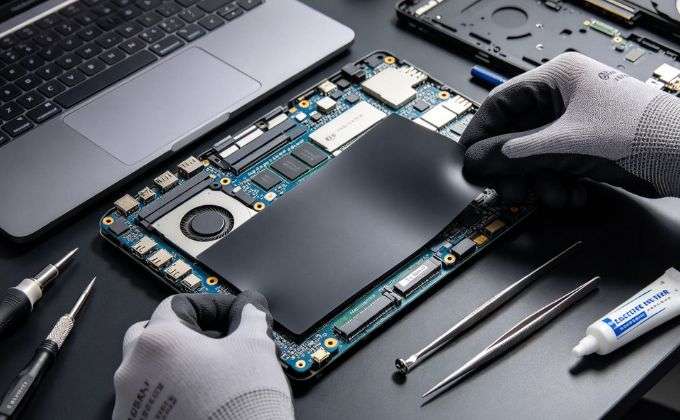
To help an LED lighting manufacturer solve the gap between the LED module and the aluminum heat sink, we used a 1.0 mm GTP060 silicone thermal pad between an LED module and its aluminum heat sink. With a thermal conductivity of 6.0 W/(m·K), our high-conductivity silicone thermal pad is die-cut to match the mounting surface, with cutouts for screw holes. Its soft, conformable structure accommodates surface irregularities and establishes a heat-transfer path from the module to the heat sink.
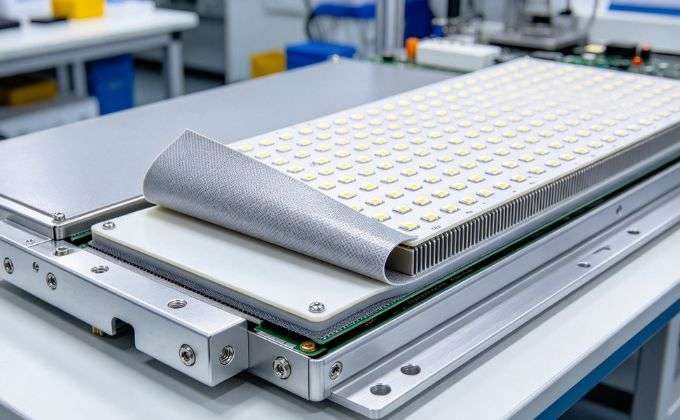
An uninterruptible power supply equipment manufacturer asked us to address the heat dissipation requirements between the power devices on the UPS power board and the metal casing. We use a 2.0 mm GTP030 fiberglass-reinforced silicone thermal pad to bridge gaps between power components and the metal enclosure of an industrial UPS. Its fiberglass carrier improves resistance to abrasion and puncture during handling, while the soft silicone conforms to uneven contact surfaces. This combination supports heat transfer to the enclosure and simplifies pad positioning during assembly.
Specification and Comparison
- Silicone Thermal Pad Technical Specification Table
- Silicone Thermal Pad vs. Thermal Gel vs. Thermal Paste
- Silicone vs. Silicone-Free Thermal Pad
| Unit | Typical Range | Test Method | |
| Thermal Conductivity | W/m·K | 1.0 ~ 15.0 | ASTM D5470 |
| Thermal Impedance | ℃·in²/W | 0.1 ~ 0.9 | ASTM D5470 |
| Operating Temp. Range | ℃ | -50 ~ +200 | IEC 60216 |
| Dielectric Breakdown Voltage | KV/mm | ≥ 4.0 ~ 15.0 | ASTM D149 |
| Volume Resistivity | Ω·cm | ≥ 1.0 × 10¹¹ ~ 10¹³ | ASTM D257 |
| Dielectric Constant | / | 4.0 ~ 7.5 | ASTM D150 |
| Thickness | mm | 0.3 ~ 15.0 | / |
| Specific Gravity / Density | g/cm³ | 2.0 ~ 3.5 | ASTM D792 |
| Tensile Strength | Psi (MPa) | 20 ~ 150 (0.1 ~ 1.0) | ASTM D412 |
| Elongation | % | 50 ~ 200 | ASTM D412 |
| Flammability Rating | Grade | UL 94 V-0 | UL 94 |
| Total Mass Loss (TML) | % | < 1.0 | ASTM E595 |
| Compliance | / | RoHS / REACH | / |
| Comparison Dimension | Silicone Thermal Pad | Thermal Gel | Thermal Paste (Grease) |
| Physical Form | Solid, pre-formed flexible sheets | Paste-like, viscous pre-cured fluid | Soft, high-viscosity wet grease |
| Optimum Gap (BLT) | Large Gaps: 0.3 mm to 5.0+ mm | Variable Gaps: 0.1 mm to 3.0 mm | Micro Gaps: < 0.1 mm (The thinner, the better) |
| Thermal Conductivity | 1.0 ~ 15.0+ W/m·K | 1.0 ~ 12.0 W/m·K | 1.0 ~ 10.0+ W/m·K |
| Interfacial Thermal Resistance | Medium (Depends heavily on compression force) | Low (Excellent surface wetting properties) | Ultra-Low (Achieves the thinnest contact layer) |
| Assembly Stress (Pressure) | High (Requires sustained mechanical pressure) | Ultra-Low (Flows smoothly under micro pressure) | Low (Displaced easily by heatsink mounting force) |
| Tolerance Accommodation | Poor (Fixed thickness; bad for multi-height variance) | Excellent (Perfectly fills uneven co-planarity and tolerances) | Poor (Uneven manual application causes dry spots) |
| Manufacturing Process | Manual peeling and placing, or pick-and-place robot | Fully automated dispensing via pneumatic/volumetric systems | Screen printing, stenciling, or manual spreading |
| Long-Term Reliability | Excellent: No drying, no running, highly vibration-proof | High: Excellent pump-out resistance, stays in place | Medium: Prone to pump-out and drying over thermal cycles |
| Reworkability | Extremely Easy: Peels off cleanly as a whole piece | Easy: Can be wiped off easily; simple to re-dispense | Tedious: Dries/cakes over time; requires alcohol cleanup |
| Typical Applications | • GPU VRAM & VRM / MOS components • Telecom base station enclosures • EV battery pack module gap-filling | • Automotive electronics (ADAS, Inverters) • High-volume automated production lines • Multi-component height variance architectures | • High-power CPU / GPU cores (PC/Servers) • High-density LED chipboards • Precision RF power amplifiers |
Generally, thermal paste is the go-to for micro gaps (<0.1mm) and ultra-high heat cores (like CPUs/GPUs); Thermal Pad is ideal for large, fixed gaps (>0.5mm) across multiple components, offering easy manual placement and perfectly clean rework;Thermal Gel is the perfect hybrid, purpose-built to absorb complex manufacturing tolerances and uneven gap heights.
If you are still hesitating which one to choose, contact our professional team to get a comprehensive recommendation based on your working requirements.
To determine whether you need silicone or silicone-free thermal pads, you can begin with the application’s material restrictions. If silicone is prohibited or sensitive surfaces are nearby, you may need to assess a silicone-free grade before comparing thermal and mechanical properties.
| Comparison | Silicone thermal pad | Silicone-free thermal pad |
| Polymer system | Uses a silicone matrix with thermally conductive fillers. | Uses a non-silicone polymer system. Confirm the full construction and declaration. |
| Silicone sensitivity | Assess possible silicone migration or volatile siloxanes near sensitive optics, contacts or processes. | Addresses restrictions on silicone in the interface material; other contamination risks still require testing. |
| Thermal performance | Compare conductivity and assembled impedance for the chosen grade. | Use the same test conditions. Silicone-free does not inherently mean lower or higher thermal performance. |
| Compliance | Available in different softness and compression-force levels. | Compression behavior depends on the formulation. Do not assume all silicone-free pads are hard. |
| Temperature and aging | Confirm the exact grade’s temperature limits and qualification data. | Confirm its own limits and aging behavior; do not transfer the silicone grade’s ratings. |
| Electrical insulation | Depends on fillers, construction, and thickness. | Also grade-specific. Silicone-free is not an electrical insulation rating. |
| When to consider it | General electronics where silicone is acceptable, and the grade meets assembly requirements. | Silicone-restricted equipment or sensitive assemblies with a defined contamination specification. |
The following steps explain how to use thermal pads: Place the specified pad on a clean, dry contact surface, remove the designated release liners, and close the assembly to its specified gap or mounting setting. Keep the pad flat and avoid stretching it.
Dielectric strength, breakdown voltage, and volume resistivity vary by grade and thickness, but most GALLOP INNOTEK silicone thermal gap pad grades offer excellent electrical insulation and are unlikely to damage your product’s circuitry when applied.
Actually, there is no single service life for every silicone thermal pad. Silicone thermal pads will go bad or dry out as time goes by. The operating temperature, compression, and environment can determine how long do thermal pads last. Usually, the service life of a high-performance GALLOP INNOTEK silicone thermal pad can reach 10 years.
Different models of silicone thermal pads have varying operating temperature ranges. Typically, their operating temperatures range from approximately -60 to 200°C. When selecting a pad, you may choose based on the required operating temperature.
Usually, you need to avoid stacking or doubling up two silicone thermal pads. The extra interface can introduce contact resistance, trapped air, and uneven compression. It’s recommended that you request a single pad in the required thickness, or review another interface design when the gap cannot be covered by an available qualified grade.
Only when the grade and your rework procedure permit, you can reuse a silicone thermal pad. It is necessary for you to check for tears, contamination, permanent deformation, and loss of contact before reassembly. A pad that looks intact may still perform differently. Where reuse has not been qualified, use a new part and follow the assembly’s inspection requirements.
Many silicone thermal pads have natural surface tack, but the level of stickiness varies by grade and surface treatment. Some have a low-tack side for easier handling, while others include an added adhesive layer.
Not necessarily. Natural tack can help hold a pad during placement, while the mechanical assembly maintains contact in service. Using double sided adhesive thermal pads may help handling, but it can change reworkability and interface resistance. You should confirm the full construction with the supplier. A tacky pad should not be assumed to support a heat sink thermal pad without fasteners.
No. You only need to remove the release liners identified in the installation instructions. A permanent carrier, reinforcement, or dielectric film may be part of the pad and must remain in place. If the layers are unclear, you should confirm the construction drawing before installation rather than peeling away every visible film.
No. A standard silicone sheet is usually designed for sealing or cushioning rather than heat transfer. A silicone-based thermal pad uses a specified formulation for thermal interface service. When choosing from them, you need to compare their thermal data, compression behavior, and electrical properties instead of choosing by appearance, color, or the word silicone alone.
Yes, if the layout and height differences are within the pad’s qualified working range. To calculate, you need to check contact at the lowest component and load at the tallest one. If one sheet would bridge over a device or overload another, it’s better for you to separate the cut parts.
Generally, you can send a drawing or interface dimensions, the minimum and maximum gap, component power, temperature limits, and allowable mounting load. Include electrical insulation requirements, material restrictions, expected quantities, and the assembly method. These details let GALLOP INNOTEK discuss a material grade and sample configuration relevant to your design.
A conventional silicone gap pad may be unsuitable when the interface needs an extremely thin bond line, when the available mounting force cannot compress it sufficiently, or when the application prohibits silicone. A graphite heat-spreading sheet serves a different purpose when the main requirement is to distribute heat laterally.
Review the alternatives in the comparison tables above before changing materials. Thermal paste, dispensable gel, graphite, and silicone-free pads each introduce different assembly requirements. Share the design constraint with GALLOP INNOTEK so the material discussion starts with the limitation that matters to your product.
Test samples in an assembly that represents production tolerances. Keep power, ambient temperature, cooling conditions, and mounting settings consistent when comparing candidates. Record temperatures at agreed locations and check that every intended interface has contact without excessive board or package deflection.
Repeat the relevant measurements after the aging or environmental exposures required by your product. If the pad provides electrical isolation, include the applicable electrical checks on the complete assembly. Link the approved results to a material grade, drawing revision, and installation procedure so production can reproduce the evaluated configuration.
What is a Silicone Thermal Pad?
GALLOP INNOTEK Silicone thermal pad is a compliant thermal interface material consisting of a silicone polymer matrix loaded with thermally conductive fillers. As its name suggests, its primary function is heat conduction—ensuring efficient thermal transfer across device surfaces to keep equipment running smoothly.
The thermal conductive pad’s silicone matrix is filled with ceramic particles, enabling it to conform seamlessly to uneven electronic surfaces. It bridges high-temperature components with chassis or heat sink assemblies, thereby enhancing heat transfer and eliminating air gaps that obstruct dissipation and cause overheating. Besides, it is easy to install, and its softness also provides mechanical protection.
If you are looking for a long-lasting and durable conductive thermal pad, the GALLOP INNOTEK Silicone thermal pad is worth considering.
How Does a Silicone Thermal Pad Work?
How Thermal Pads Work?
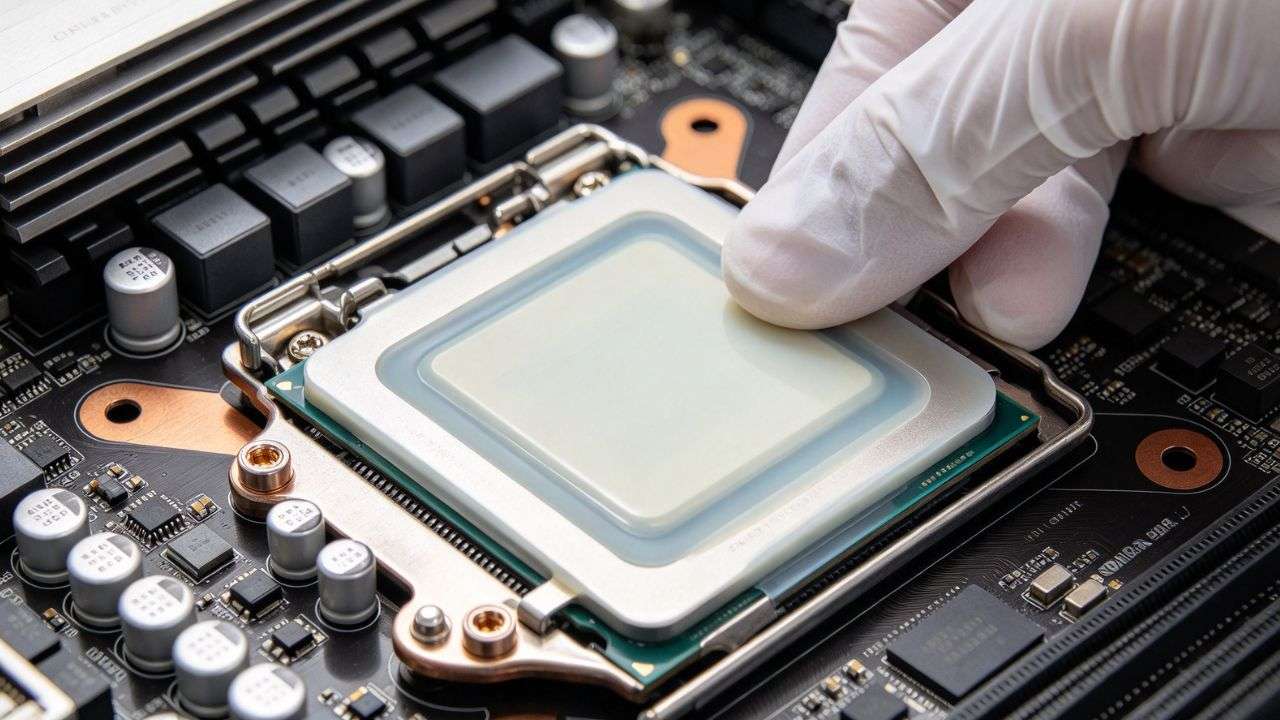
Here is the general operating principle: Heat passes through the thermal pad to a heat sink or enclosure, where the cooling system dissipates it.
A silicone gap thermal pad replaces air in the interface with a material that conducts heat more effectively. The following details the steps of the silicone thermal pad operating principle.
Filling the Gaps
GALLOP INNOTEK silicone thermal materials are designed and precisely placed between electronic components and heat sink pads. Since tiny air gaps often exist between the two parts—and because air is a poor conductor of heat—these gaps tend to block heat transfer. Thanks to its softness, the GALLOP INNOTEK silicone thermal pad fills in these gaps and displaces the trapped air. Additionally, the unique physical properties of silicone offer an extra benefit: mechanical cushioning.
Establishing a Thermal Conduction Path
The core role of the GALLOP INNOTEK silicone high conductivity thermal pad is to conduct heat. High-power devices are typically paired with their own thermal heatsink pads, but due to the low thermal conductivity of air, any gaps between components and heat sinks form a thermal barrier, hindering heat flow. When a GALLOP INNOTEK thermal pad is inserted, its thermally conductive fillers greatly enhance conductivity, creating an efficient heat transfer channel between the heat source and the cooling component. This minimizes heat buildup and accelerates heat dissipation.
Reducing Thermal Contact Resistance
Once an air-gap thermal barrier forms, it’s like placing a wide river in front of a convoy trying to transport supplies—the efficiency drops drastically. By filling gaps and establishing a direct conduction path, GALLOP INNOTEK silicone thermal pads act like a bridge across that river, significantly reducing the thermal resistance between two surfaces. As a result, heat can flow more quickly and efficiently from the source to the heat-dissipating structure.
How to Choose the Right Silicone Thermal Pad?
When choosing silicone thermal pads, you can start with the assembled gap and the load your components can tolerate. Then compare thermal performance under the conditions your product will actually see. The following table may help you to make the choice clearer.
| Selection factor | What to check | How it affects your choice |
| Gap and tolerances | Minimum and maximum assembled gap, including component height and enclosure tolerances. | Select a thickness that maintains contact at the largest gap without excessive compression at the smallest gap. |
| Compression force | Compression-deflection data at the intended thickness and pad footprint. | Keep the total load within component and PCB limits. Shore hardness alone does not establish assembly force. |
| Thermal performance | Thermal impedance at the intended bond line, pressure and test temperature, alongside conductivity. | A higher W/m·K rating alone does not guarantee a cooler component. Compare samples in the same assembly. |
| Electrical requirements | Dielectric strength, breakdown voltage and volume resistivity for the exact grade and thickness. | Specify an insulating grade when isolation is required. Do not assume every silicone-based pad is electrically insulating. |
| Operating environment | Continuous and peak temperatures, thermal cycling, vibration, and nearby sensitive surfaces. | Check grade-specific limits and aging evidence. Review silicone migration or outgassing requirements where relevant. |
| Part design and assembly | Footprint, cutouts, liners, surface tack, reinforcement and placement method. | Use a shape that contacts the intended heat source without loading nearby components. Confirm any adhesive layer in the thermal test. |
| Production qualification | Drawing revision, thickness tolerance, required material reports and representative assembly samples. | Approve the material and assembly together before volume production. Define acceptance criteria and traceability requirements. |
How to Install Silicone Thermal Pads?
Here is a guideline for silicone thermal pad installation.
- Prepare the assembly. Disconnect power, allow the equipment to cool, and follow the required ESD precautions. Remove old interface material from the mating surfaces using a compatible cleaning method. Let both surfaces dry completely.
- Check the part. Confirm the pad grade, thickness, outline, and orientation. Identify the removable liners and any permanent reinforcement or insulating film. Use a single pad of the specified thickness.
- Position the pad. Remove the placement-side liner and align the pad with the intended contact area. Handle it by the liner or edges to limit contamination. Keep it flat, without stretching, folding, or loading adjacent components.
- Close the interface. Remove the remaining release liner just before fitting the heat sink or enclosure. Lower the mating part into position without dragging it across the pad. Tighten fasteners in the specified sequence to the approved torque or stop position.
- Check the assembled fit. Confirm seating, alignment, and clearances against the drawing. Investigate unexpected resistance, board bending, or pad displacement before powering the unit.
How to Clean Silicone Thermal Pads?
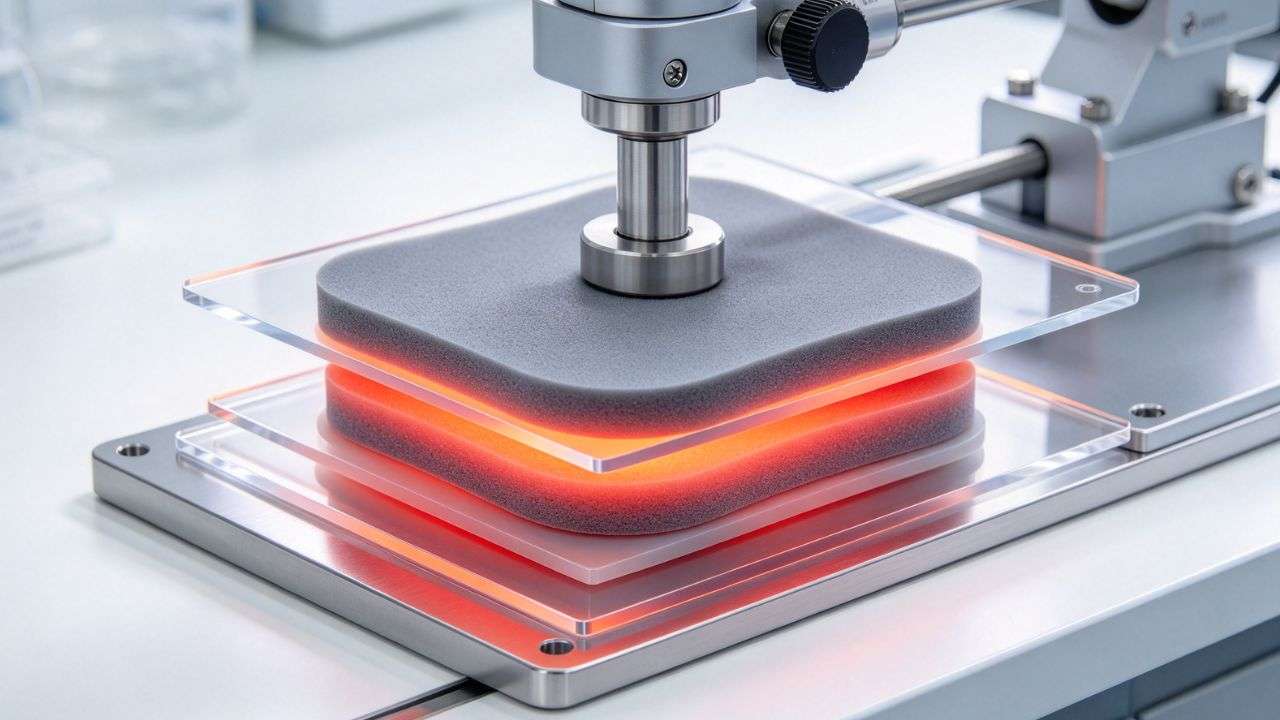
There are 4 steps to explain how to clean thermal pads.
- You need to inspect before cleaning. Disconnect power and let the assembly cool. Check the pad for embedded dirt, tears, missing material, and permanent deformation. Use a new pad when its condition or service history makes reliable contact uncertain.
- Follow the grade-specific method. Clean the pad itself only with a method approved for that exact material. Do not assume water, alcohol, detergent, or scrubbing is compatible with its silicone matrix, surface treatment, or adhesive. Keep new pads on their release liners until installation to reduce the need for cleaning.
- Remove residue from the mating surfaces. Lift away old pad material without pulling on nearby components. Where permitted, use a non-scratching tool on the heat sink or enclosure, followed by a lint-free wipe and a cleaner approved for the substrate. Keep liquid out of connectors and other sensitive areas.
- Dry and refit. Check that the contact surfaces are dry and free of residue or fibres. Finally, you can install a new pad of the specified grade and thickness, or a pad accepted under your approved reuse procedure.
If you have problems with the silicone thermal pads installation or cleaning, GALLOP INNOTEK will offer a complete guide for you and a 24-hour online service.
Silicone Thermal Pad RFQ Builder
Convert key application inputs into a concise first-pass RFQ specification.
Planning/reference estimate: This organizes inquiry inputs only. Gallop Innotek must confirm material grade, thickness, tolerance, hardness, certifications and manufacturability.

